
RG On-Grid Solar Inverter Series
Make More of Every Ray of Solar Energy
Flexible Solar Conversion for Different Homes and Buildings
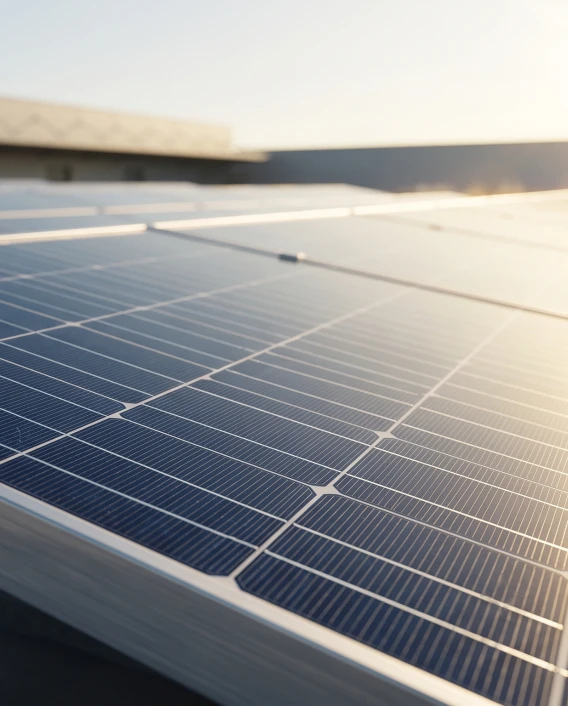
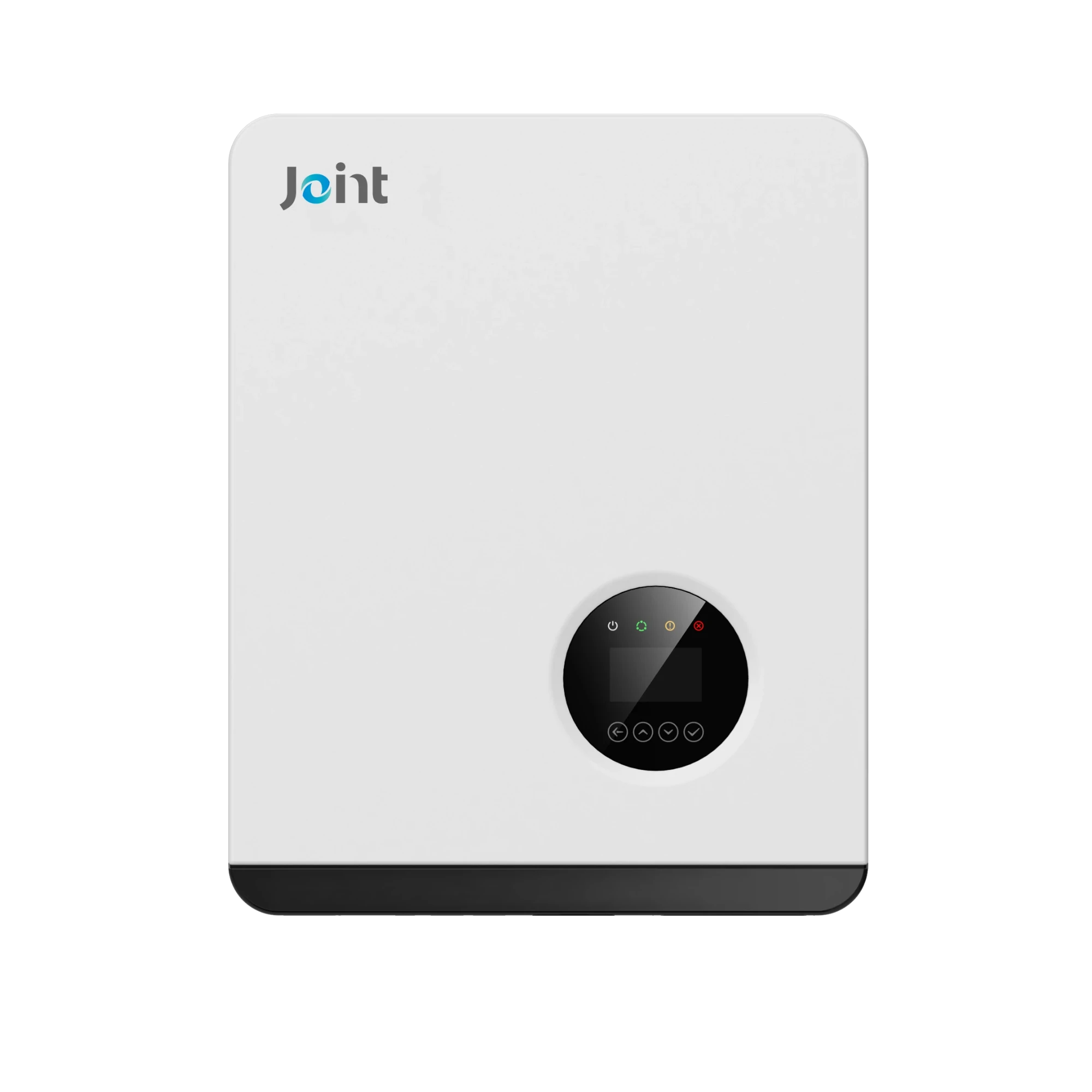
Some homes use a small single-phase system. Larger villas may need 8–12 kW, while apartment buildings, workshops and small commercial sites may require a three-phase inverter. RG offers a broad range of power options within one product family. Its MPPT design helps manage solar arrays with different orientations and sunlight conditions, while its compact enclosure simplifies installation on residential and commercial buildings. The result is a flexible on-grid inverter platform that helps property owners use more solar power and reduce electricity purchased from the grid.
Wide PV Input
Support Different Array Configurations
Depending on the model, RG supports maximum PV input voltages from 550 V to 1100 V. The broad MPPT ranges give installers more flexibility when selecting string lengths and designing rooftop PV arrays.
IP66 Protection
Designed for Outdoor Environments
The IP66 enclosure protects the inverter against dust and strong water exposure. RG can operate from -25°C to +60°C, subject to model-specific derating conditions.
1.5 DC/AC Ratio
Use a Larger Solar Array
Selected RG models support a DC-to-AC ratio of up to 1.5. This allows the connected PV array to be larger than the inverter’s nominal AC power, helping the inverter operate closer to rated output during more hours of the day. The three-phase 10–25 kW range supports a DC/AC ratio of up to 1.3.
Natural Cooling
Quiet, Low-Maintenance Operation
Most RG models use natural cooling, reducing fan noise and the number of moving components requiring maintenance. The higher-power 20 and 25 kW models use fan cooling to manage greater thermal loads.
Use More Solar Across the Property
RG can operate as part of a connected home or building energy system.
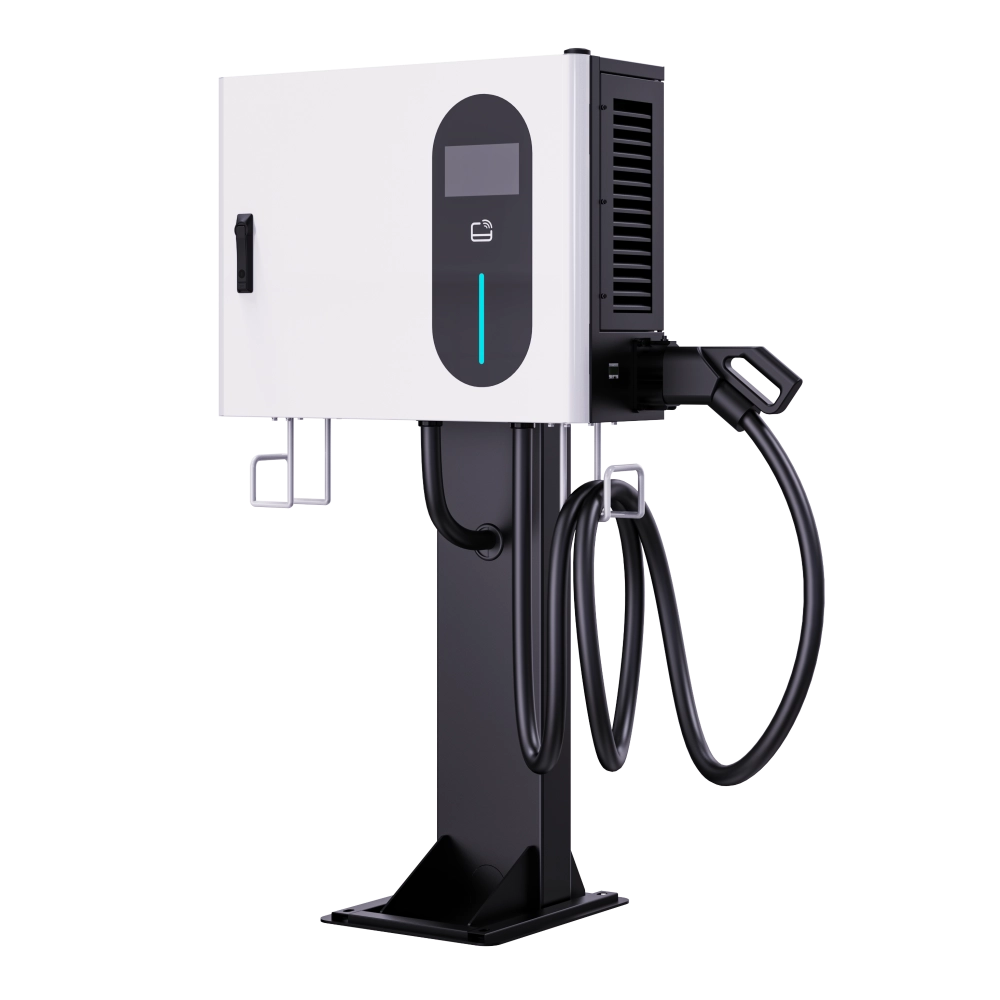
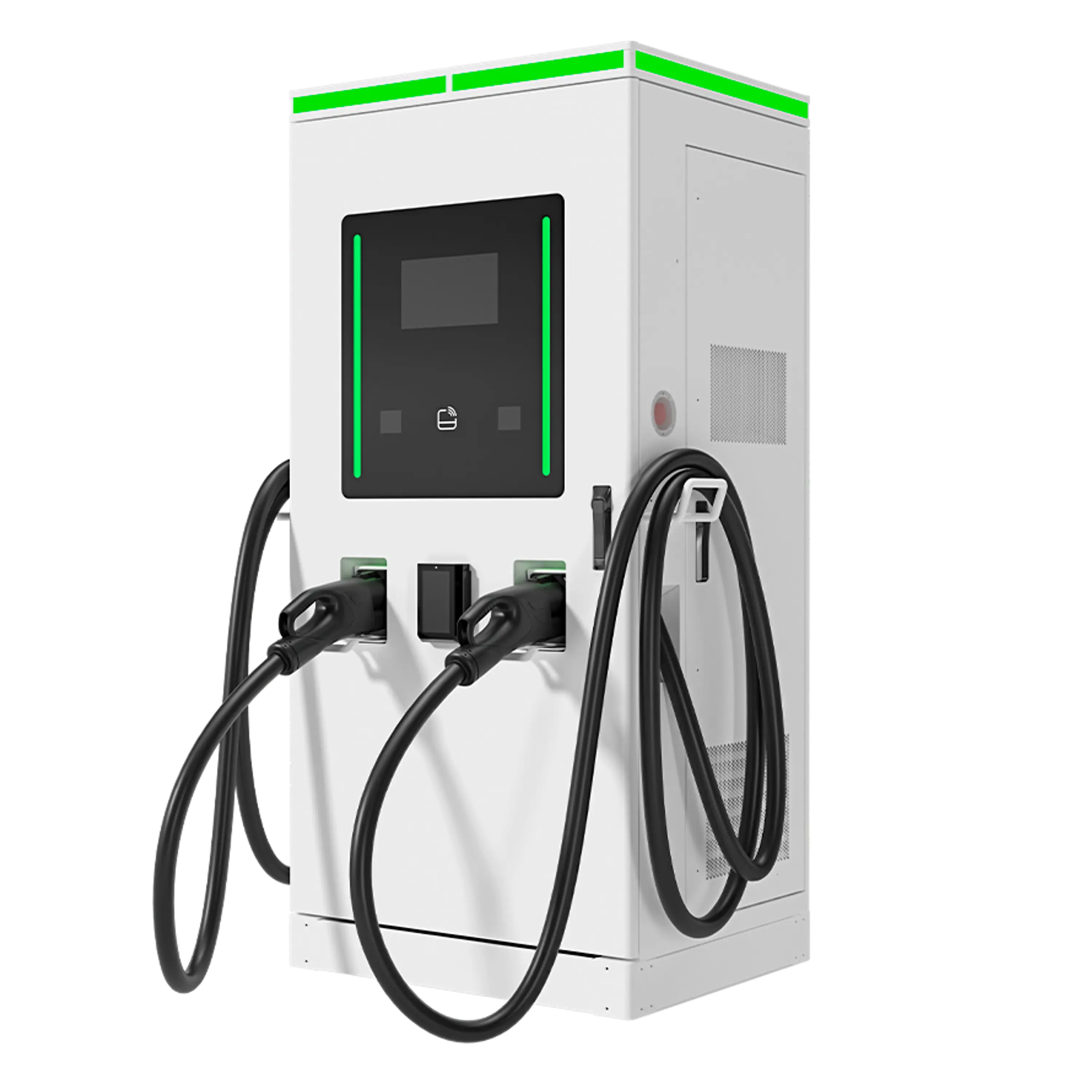
Solar power converted by the inverter can supply household loads, support heat pumps or contribute to EV charging. When combined with compatible energy-management equipment, the system can provide better visibility into solar production and electricity use.
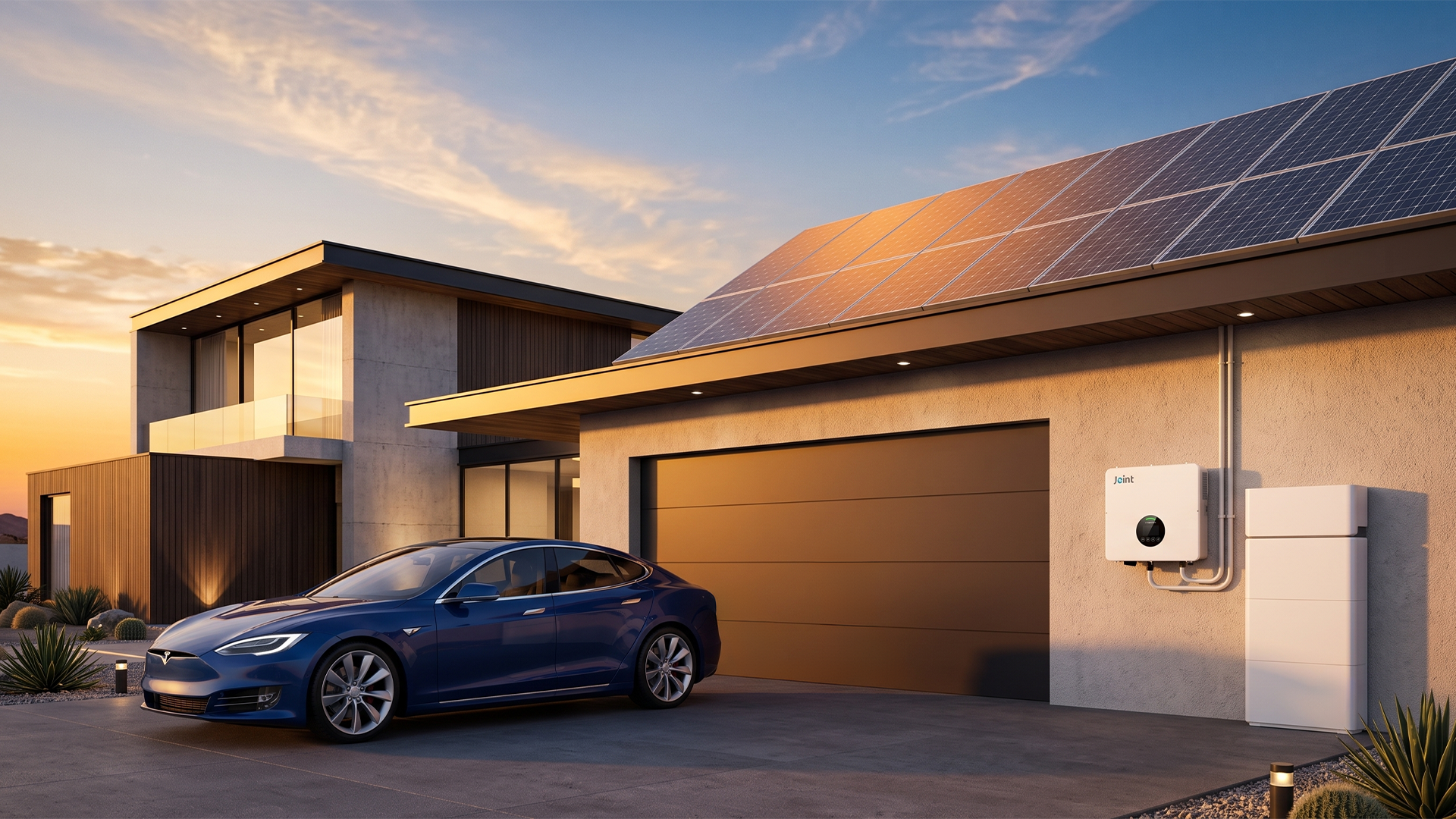
Lower Electricity Costs
Use rooftop solar electricity directly across the home or building and reduce dependence on grid power during daylight hours.
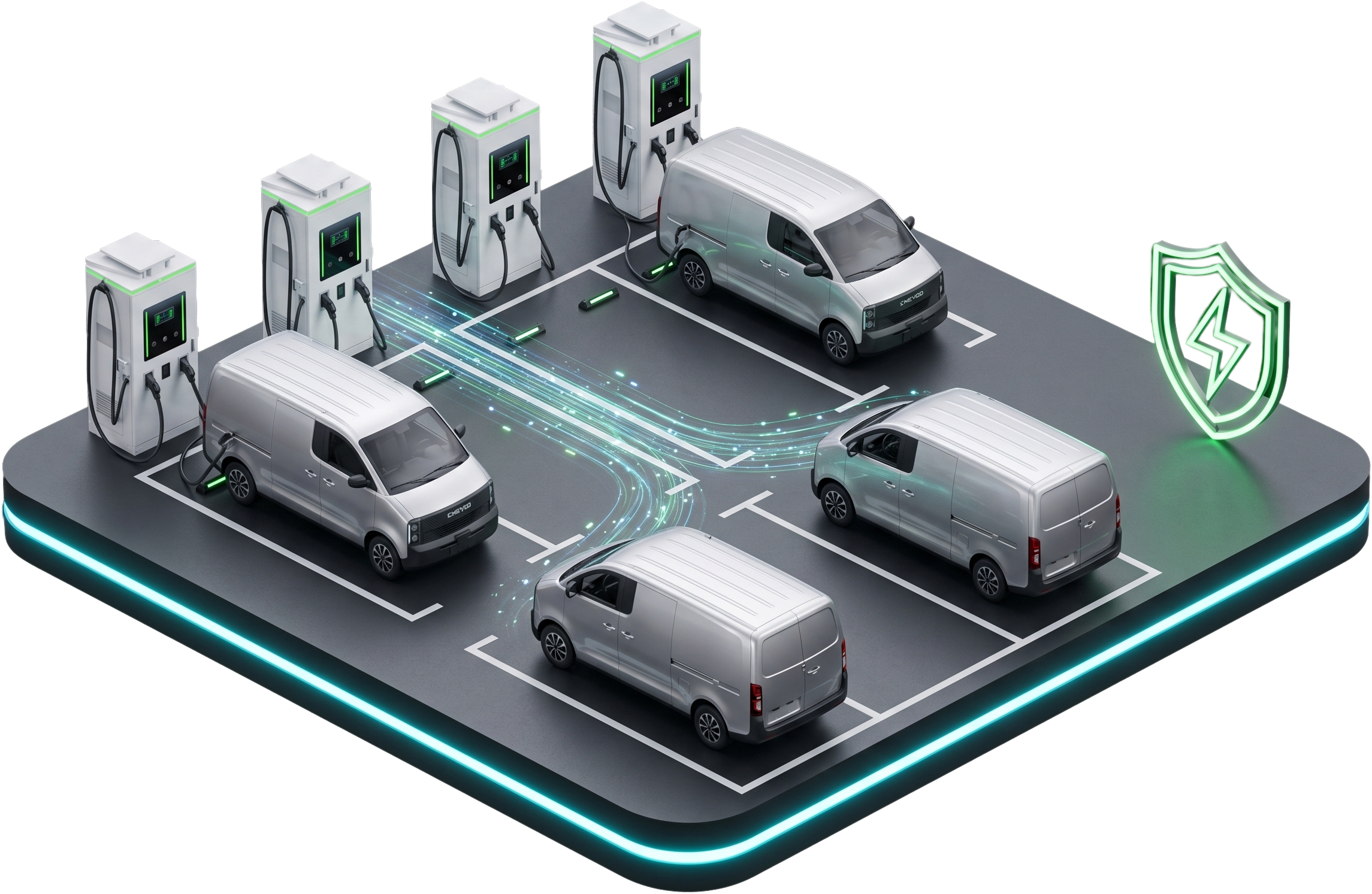
Maximise Solar Yield
High efficiency, flexible MPPTs and broad input ranges help capture more value from different rooftop layouts.

Flexible System Design
Choose from single-phase and three-phase models covering 3 to 25 kW for homes, villas and small commercial sites.

Reliable Daily Operation
IP66 protection, integrated electrical safeguards and connected monitoring support dependable long-term solar generation.
Choose the Right RG Series
|
|
|
|
| Features |
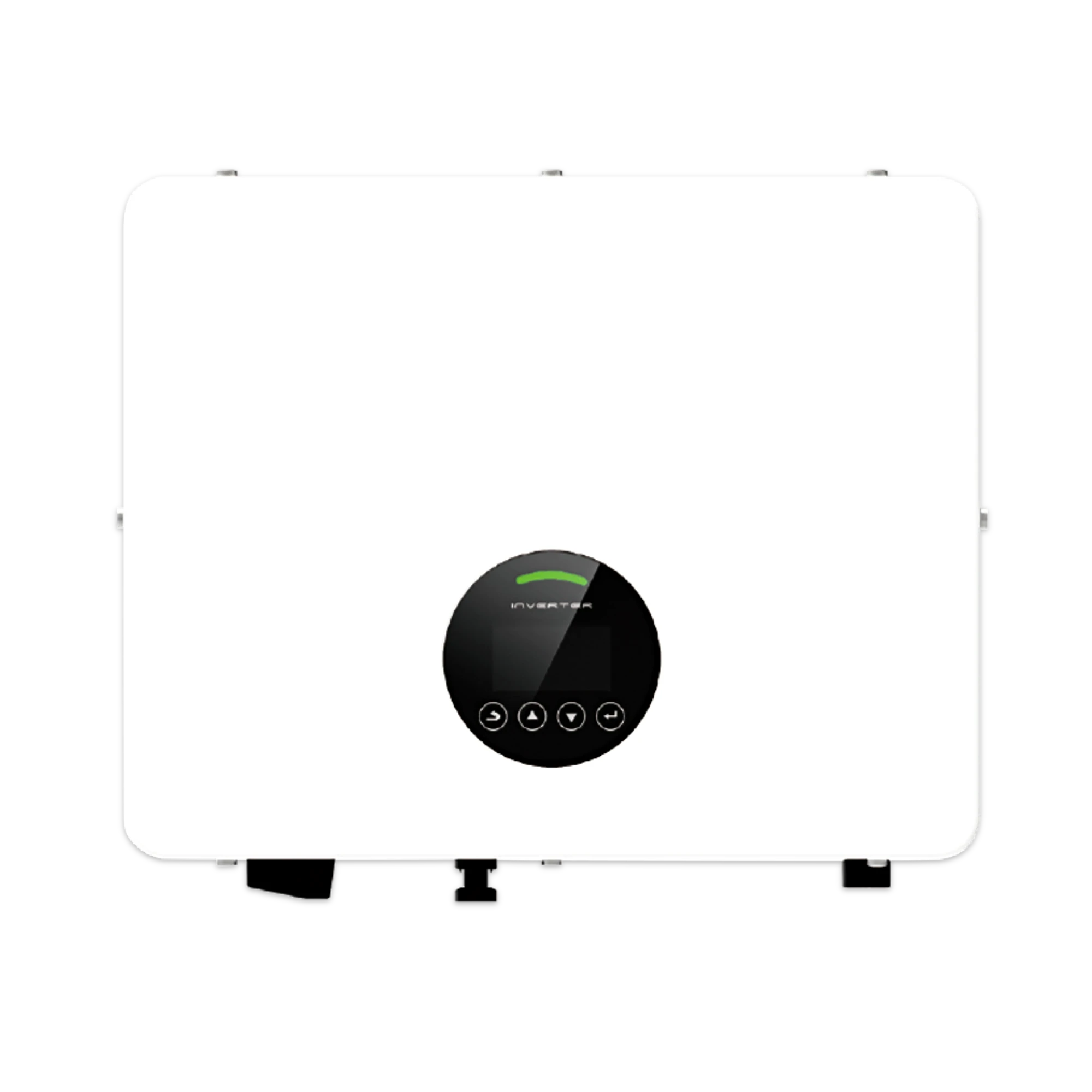
RG 3–6 kW |
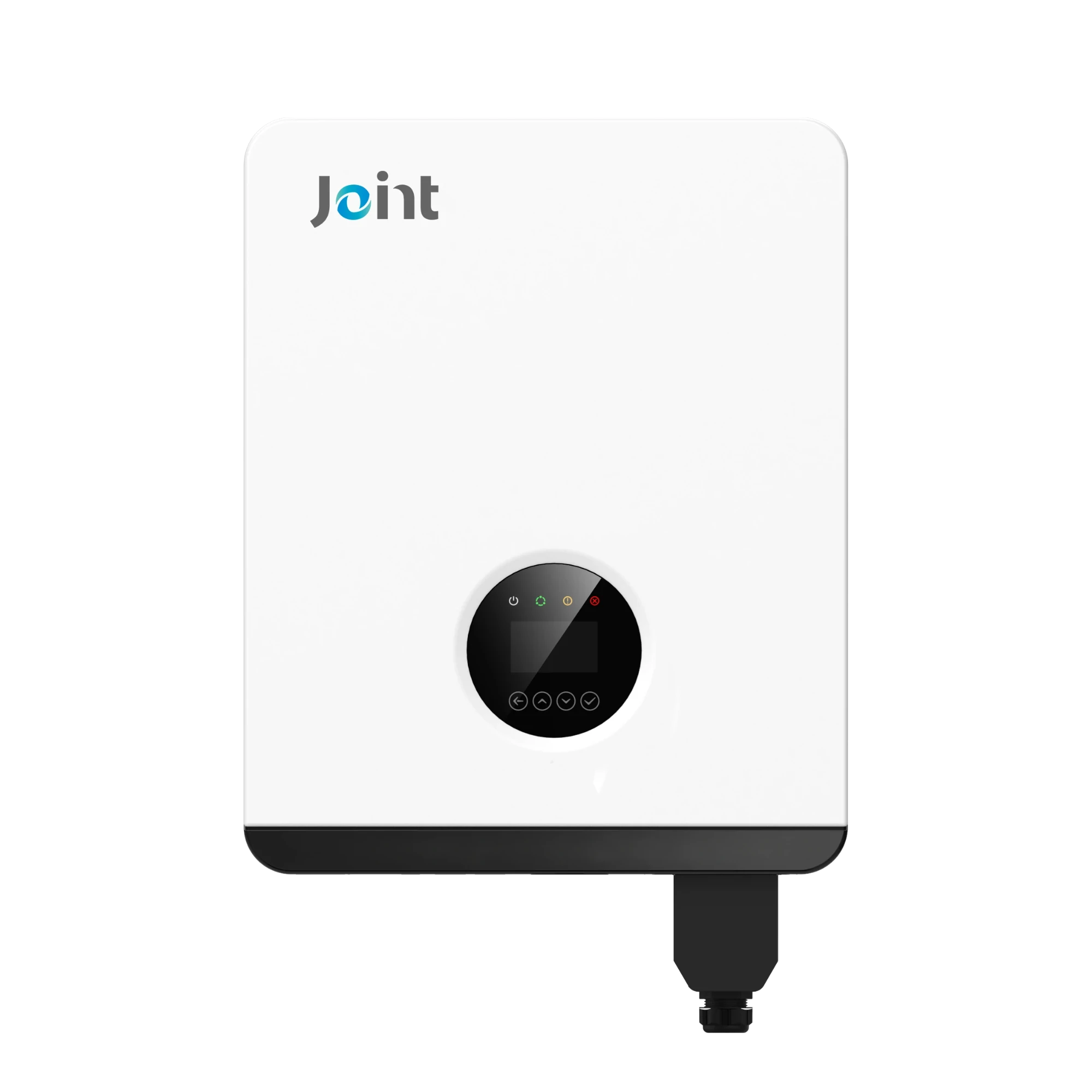
RG 8–12 kW |
RG 10–25 kW |
| Available Models | G3KJ-D11 / G5KJ-D11 / G5KJ-B21 / G6KJ-D11 / G6KJ-B21 | RG8K1 / RG10K1 / RG12K1 | RG-10KT-M6 / RG-12KT-M6 / RG-15KT-M6 / RG-20KT-M6 / RG-25KT-M6 |
| Rated Power | 3 / 5 / 6 kW | 8 / 10 / 12 kW | 10 / 12 / 15 / 20 / 25 kW |
| Phase | Single-phase | Single-phase | Three-phase |
| Max. DC Voltage | 550 V | 600 V | 1100 V |
| MPPTs | 1–2 | 2 | 1–2 |
| Max. Efficiency | 98.1% | 98.1%* | 98.6% |
| Best For | Standard homes and smaller rooftop systems | Villas and larger single-phase properties | Large homes and small commercial buildings |
| View More | View More | View More |
Related products
FAQ
What is the RG Series?
RG is a family of single-phase and three-phase on-grid solar inverters covering 3 to 25 kW.
It converts DC electricity from rooftop solar panels into AC electricity for use by a home or building.
Is RG a battery inverter?
No. RG is an on-grid PV inverter.
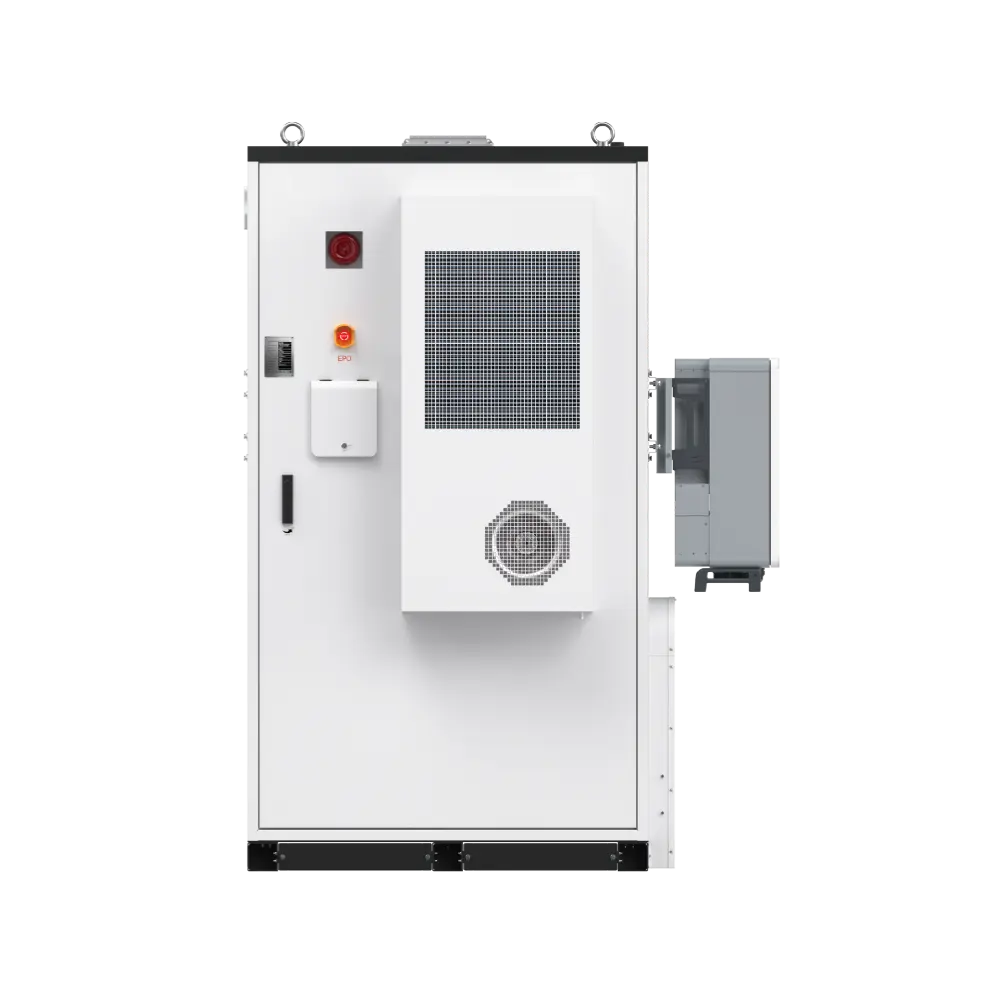
It does not directly connect to the R-ESS battery system shown in the same brochure. Battery storage requires a compatible hybrid inverter or separate AC-coupled storage solution.
Which RG model is suitable for a normal home?
A 3–6 kW single-phase model may be suitable for many standard residential rooftop systems.
The correct size depends on PV array capacity, household electricity demand, grid limits and local regulations.
When should I choose the 8–12 kW series?
The 8–12 kW single-phase models are designed for larger homes, villas and properties with larger rooftop PV arrays or higher daytime electricity demand.
When is a three-phase inverter required?
A three-phase RG model may be required when the property has a three-phase grid connection, a larger solar system or higher electrical loads.
The model must match the local grid connection.
What is the difference between D11 and B21 models?
Within the 3–6 kW range, the B21 versions provide two MPPTs and two PV string inputs.
The D11 versions shown generally use one MPPT and one string input.
Why are two MPPTs useful?
Two MPPTs allow separate solar arrays to operate independently.
This is helpful when panels face different directions or experience different shading conditions.
Can RG support bifacial solar panels?
It’s support for high-current bifacial modules.
Compatibility still depends on the module’s operating and short-circuit current relative to the selected inverter input limits.
What does a 1.5 DC/AC ratio mean?
It means the installed PV array can be designed at up to 1.5 times the inverter’s nominal AC output, subject to model limits.
This may increase energy production during lower-light periods, although some output clipping can occur during peak generation.
Can RG work with EV charging?
Yes, at the energy-system level.
Solar electricity converted by RG can supply household or building loads, including compatible EV chargers. Smart energy control may require additional EMS or metering equipment.
Choose the Right Inverter for Your Rooftop
Share your PV array size, grid connection and roof layout. Our team will help you select the right RG power rating and MPPT configuration for your home or commercial solar project.