
Contact Us
Commercial Battery Energy Storage System​
Built for Commercial and Industrial Sites.

Turn Stored Energy into Operational Value
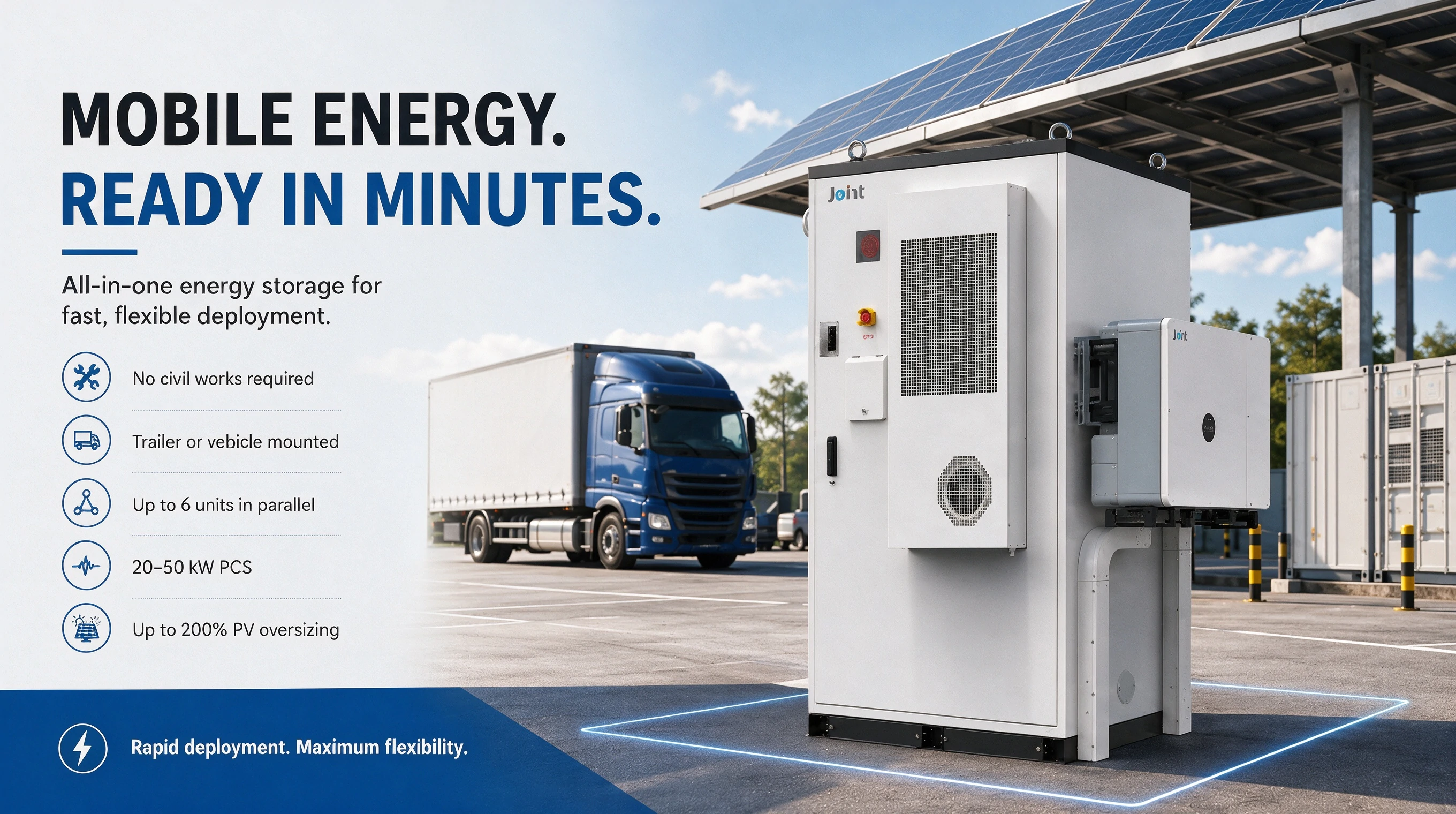
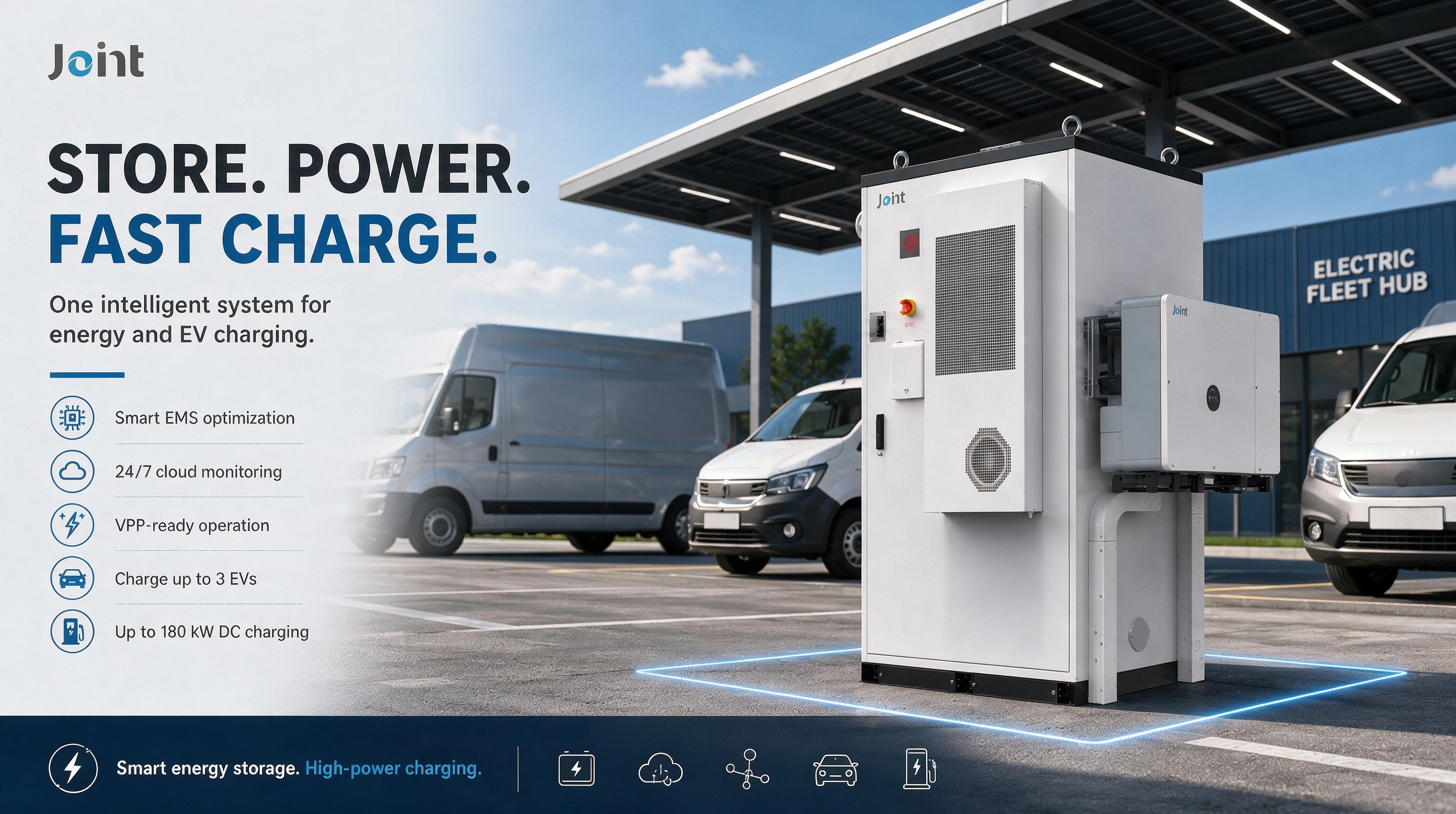
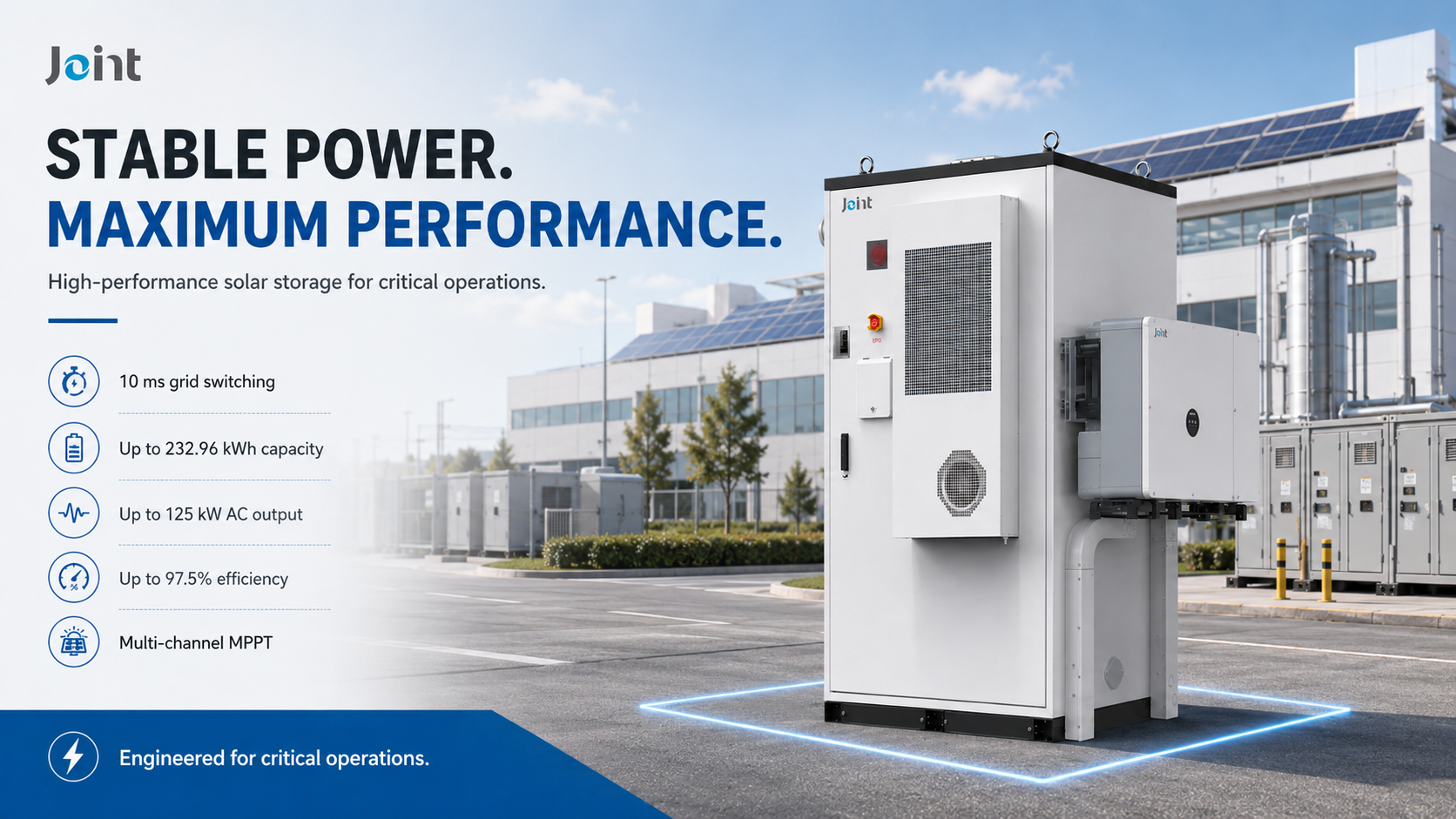
The commercial ESS series helps businesses store energy when it is available or less expensive and use it when demand and electricity prices rise. Connected with solar PV, EV chargers, the grid and site loads, the system can support peak shaving, time-of-use optimisation, solar self-consumption and backup power—all coordinated through an intelligent energy management platform.
Modular Capacity for Different Sites
Designed for Safer Operation
Solar, Grid and Backup Integration
Intelligent Energy Management

Multiple battery cabinet capacities

Modular Capacity for Different Sites

Choose from battery capacities ranging from 71.68 to 232.96 kWh and power configurations from 20 to 125 kW. The modular architecture makes it easier to match storage capacity with site load, solar generation and charging demand.

LFP battery chemistry

Designed for Safer Operation

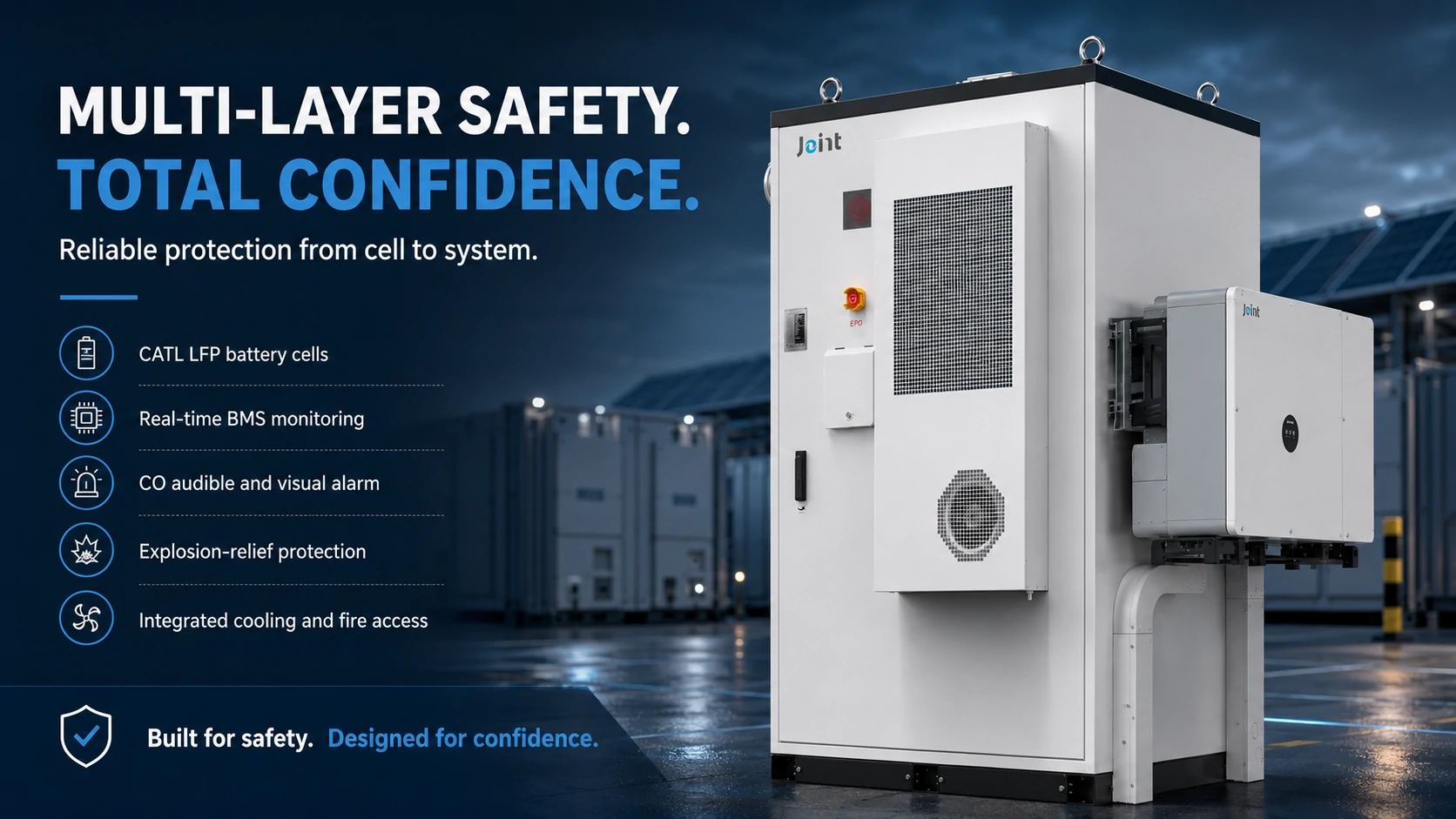
LFP battery chemistry, integrated BMS monitoring and cabinet-level protection help manage battery temperature, voltage and operating conditions throughout the system lifecycle. Selected configurations include alarms, ventilation and multi-level fire-protection measures for commercial and industrial environments.

On-grid and off-grid configurations

Solar, Grid and Backup Integration

Connect battery storage with solar PV, the utility grid, generators and critical loads. Depending on the system configuration, the ESS can support both on-grid energy optimisation and off-grid backup operation.

Real-time energy monitoring

Intelligent Energy Management

Integrated BMS and EMS coordination provides real-time visibility into battery status, site power flow and system performance. Cloud-based monitoring supports remote operation, energy scheduling and fault management.

Part of the Joint Energy Hub Ecosystem
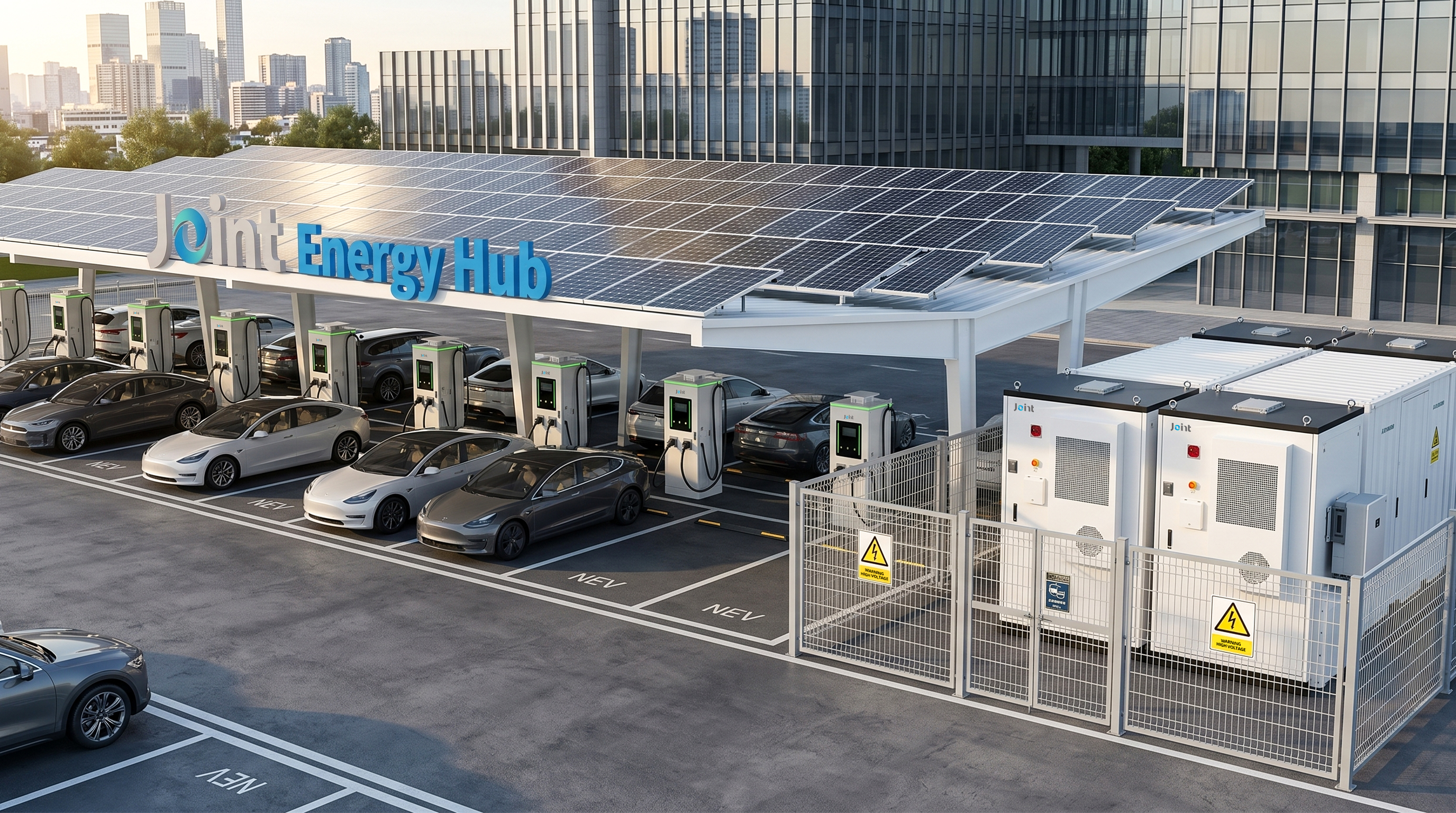
Combine the commercial ESS with solar panels, inverters, EV chargers, electric commercial vehicles and intelligent energy management to build a complete energy ecosystem around your site. Instead of operating each asset separately, Joint Energy Hub coordinates generation, storage, charging and energy consumption around business priorities.

commercial EVs

Ultra-Fast Charging

Commercial Energy Systems

commercial solar panel 

Higher Uptime

Battery backup supports critical loads during grid interruptions, helping EV charging sites, fleets and commercial facilities maintain essential operations.
AI-Driven Operations

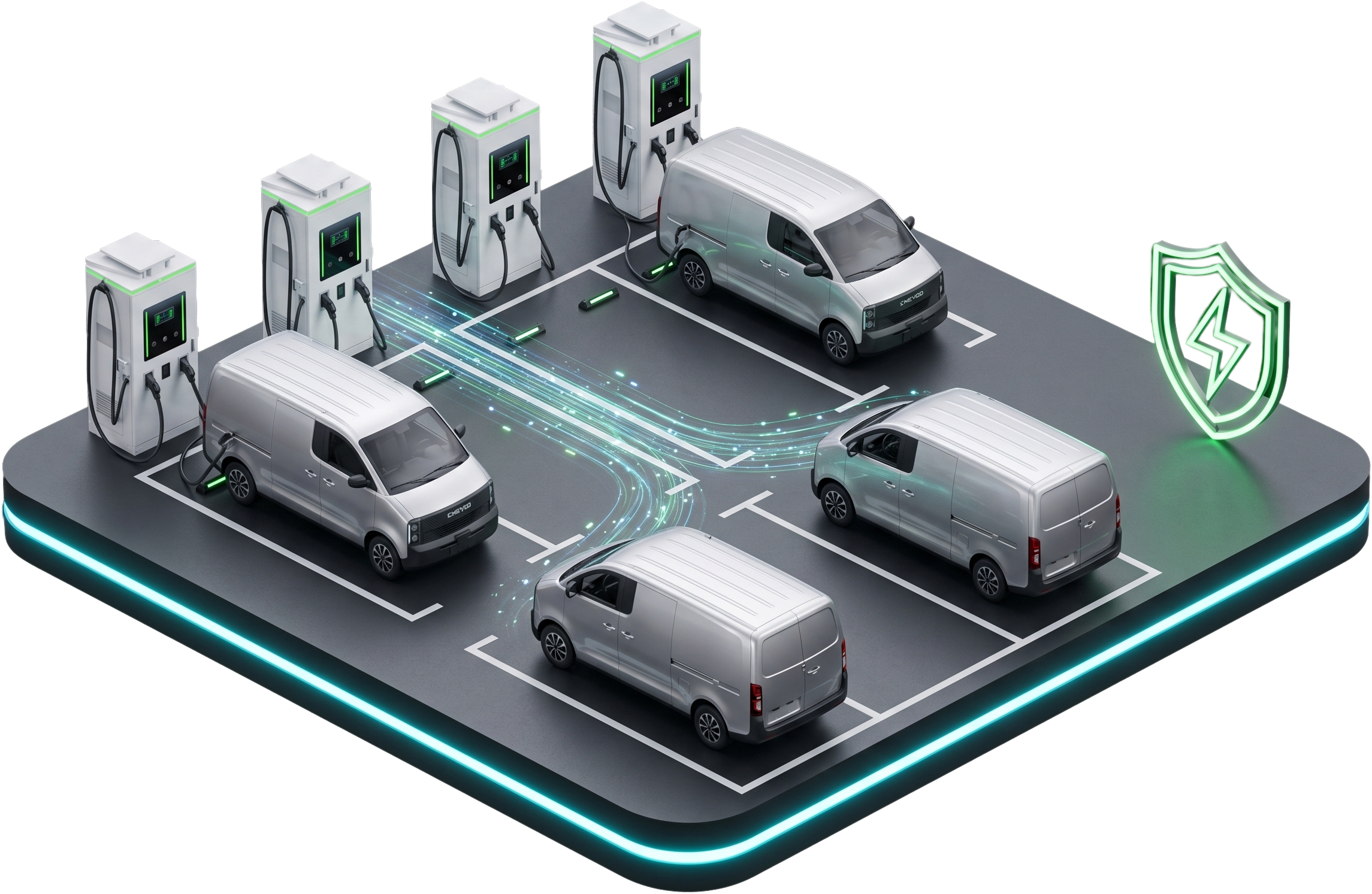
Manage solar, battery storage, EV chargers and site loads through one intelligent platform. Use energy and demand forecasts to improve charging and storage schedules.

Faster ROI

Store electricity during lower-cost periods and discharge during peak demand to improve energy utilisation and support stronger long-term project returns.

Maximise Solar Value

Store surplus solar generation and use it later for EV charging or facility loads, reducing curtailment and dependence on grid electricity.
Related products

FAQ

What capacities are available?

The commercial ESS series offers nominal battery capacities from 71.68 to 232.96 kWh. The recommended configuration depends on site load, solar capacity, EV charging demand, tariff structure and backup-power requirements.

Can the system be connected to solar PV?

Yes. Depending on the selected inverter and system architecture, the ESS can support AC-coupled or DC-coupled solar-storage configurations.

Can the ESS provide backup power during a grid outage?

Selected system configurations support off-grid operation and backup loads. The required inverter and automatic switching equipment depend on system power and project design.

Is the system suitable for EV charging stations?

Yes. Battery storage can supply energy during periods of high charging demand, store surplus solar power and help reduce the peak grid load of an EV charging site.

What battery chemistry does the system use?

The system uses lithium iron phosphate, or LFP, battery chemistry.

Can the ESS be monitored remotely?

Yes. The system supports cloud-based monitoring for battery status, operating data, alarms and site energy flows, subject to the selected EMS and communication configuration.

How do I select the correct ESS capacity?

System sizing should consider the site load profile, maximum demand, solar generation, electricity tariffs, EV charging requirements, backup duration and available grid capacity. Joint can recommend a configuration after reviewing the project data.

Connect Solar, Storage and EV Charging in One System

Tell us about your site capacity, available area, energy demand and charging requirements. Our team can help configure a solar-storage-charging solution around your operational goals.