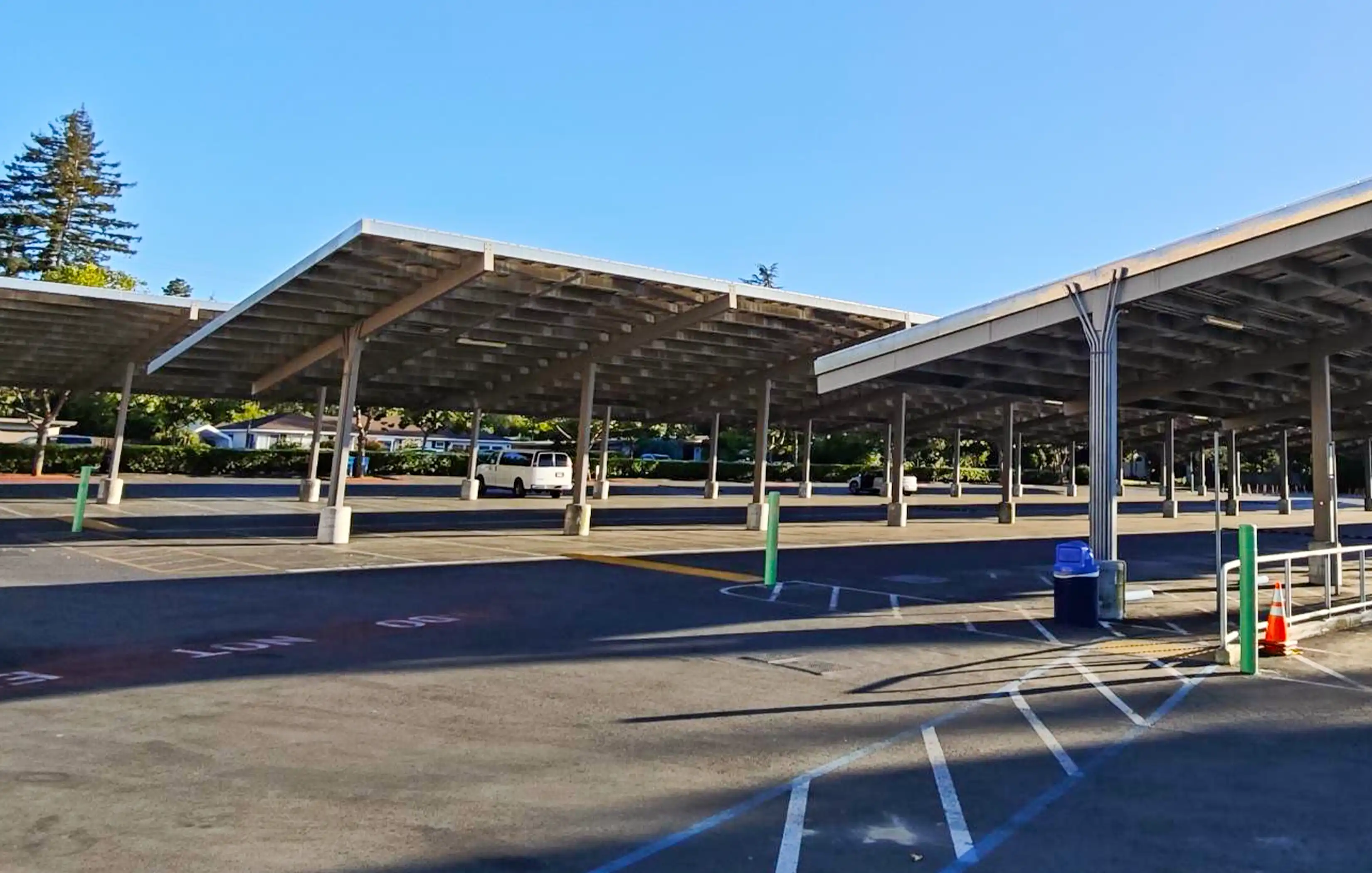

Last-mile delivery solutions
THE CHALLENGE
Every Delivery Depends on a Fleet That Is Ready
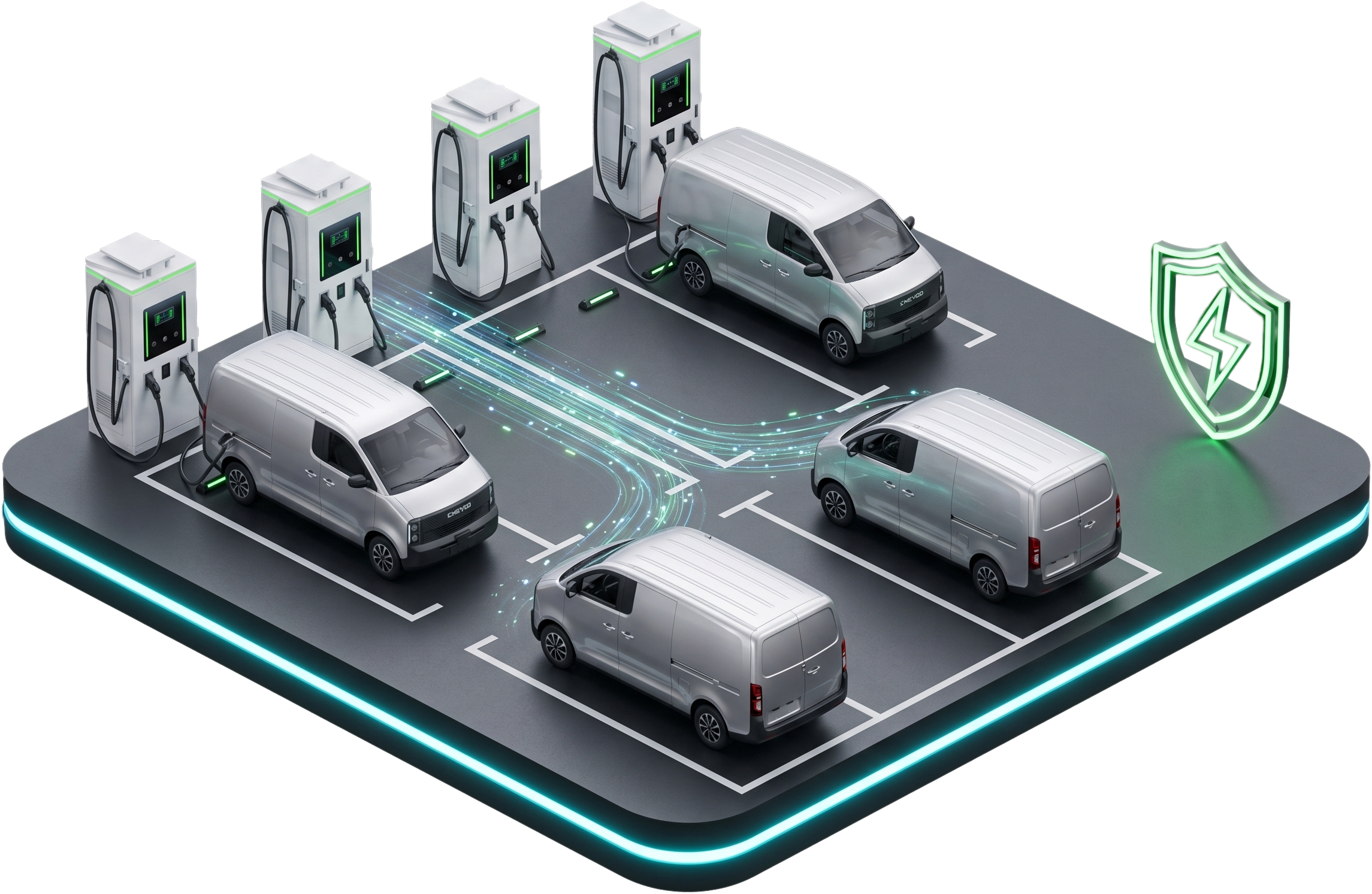
High Operating Costs
Fuel, maintenance and inefficient energy use can reduce the long-term value of every delivery vehicle.

Charging Delays
Uncoordinated charging may leave vehicles waiting for power when they should already be on the road.

Limited Site Capacity
Adding chargers without managing site demand can overload existing electrical capacity or require costly grid upgrades.
Everything Your Delivery Fleet Needs
model
Why It Fits
Where?
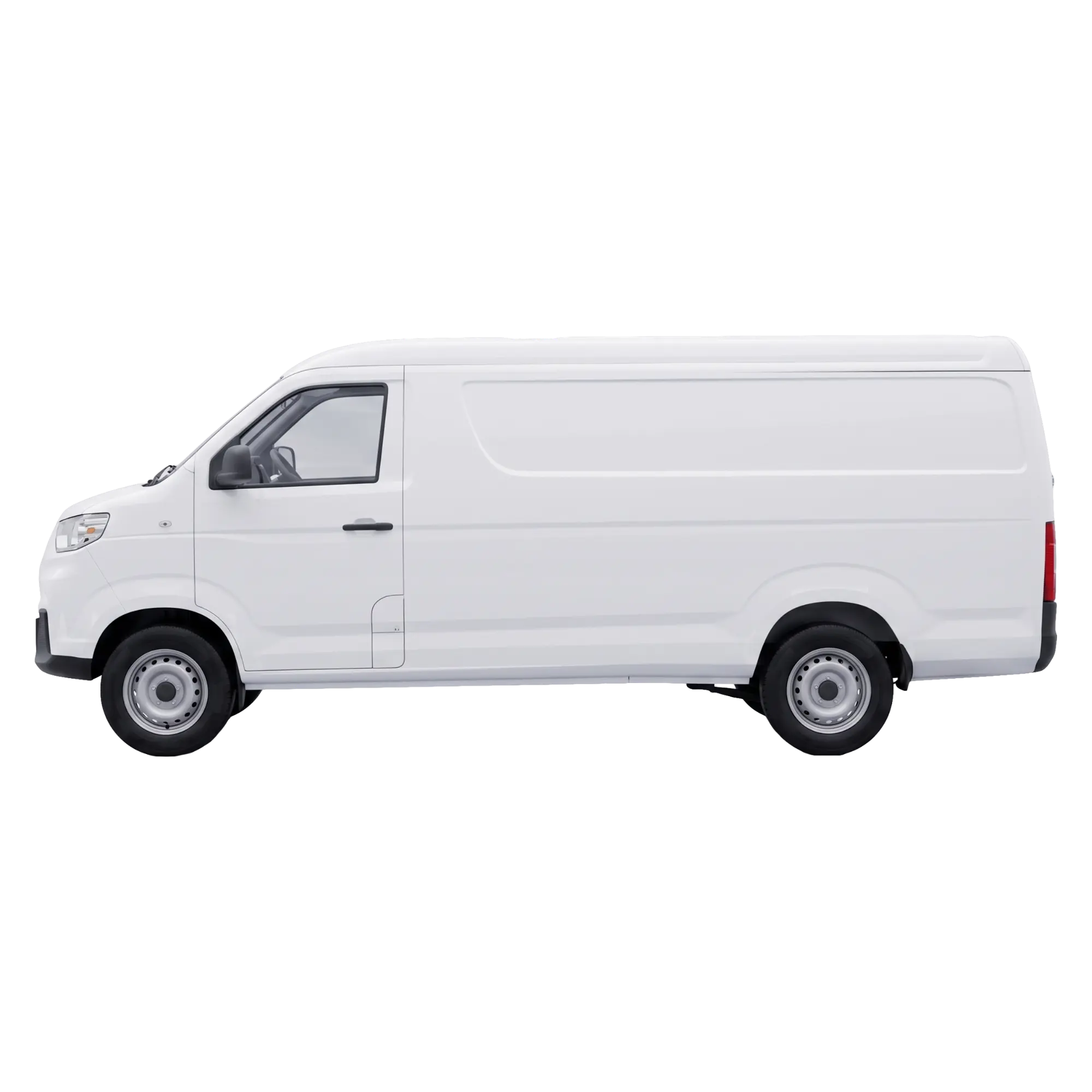
HongTu 7 Electric Van
Flexible electric mobility for frequent urban deliveries.
- Compact dimensions make it easier to operate on busy urban streets.
- Flexible cargo space supports parcel, retail and local distribution.
- Electric driving reduces local emissions and daily fuel dependence.
- Suitable for frequent stops and predictable last-mile routes.
- Designed for efficient daily fleet operation.
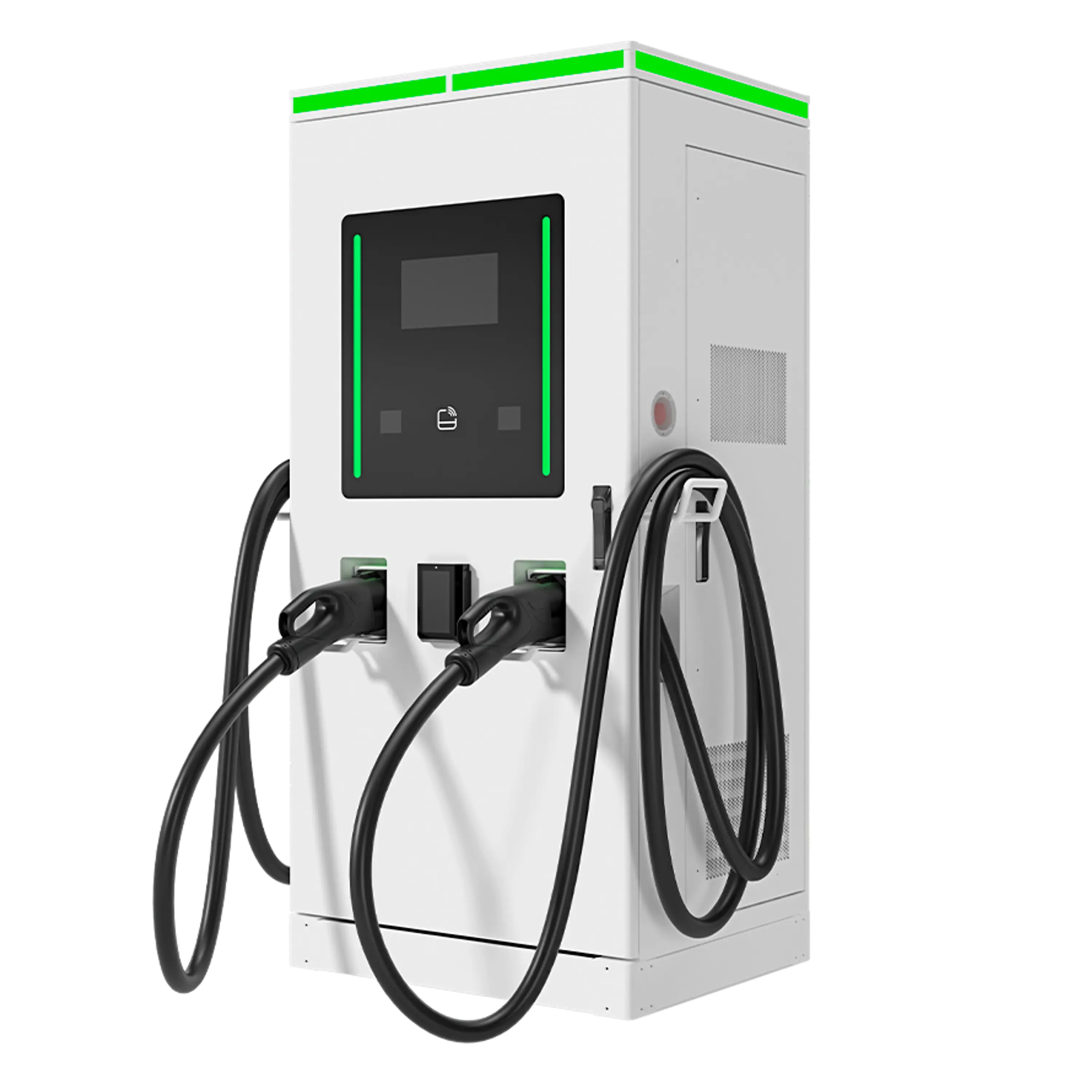
EVD003 DC Charger
Fast, flexible charging for high-utilisation fleets.
- 60–160 kW output options accommodate different fleet sizes and turnaround requirements.
- Modular power architecture supports phased depot expansion.
- Dual charging connectors can serve more than one vehicle configuration.
- OCPP connectivity enables remote monitoring and charger management.
- More than 96% efficiency helps reduce energy loss during daily charging.
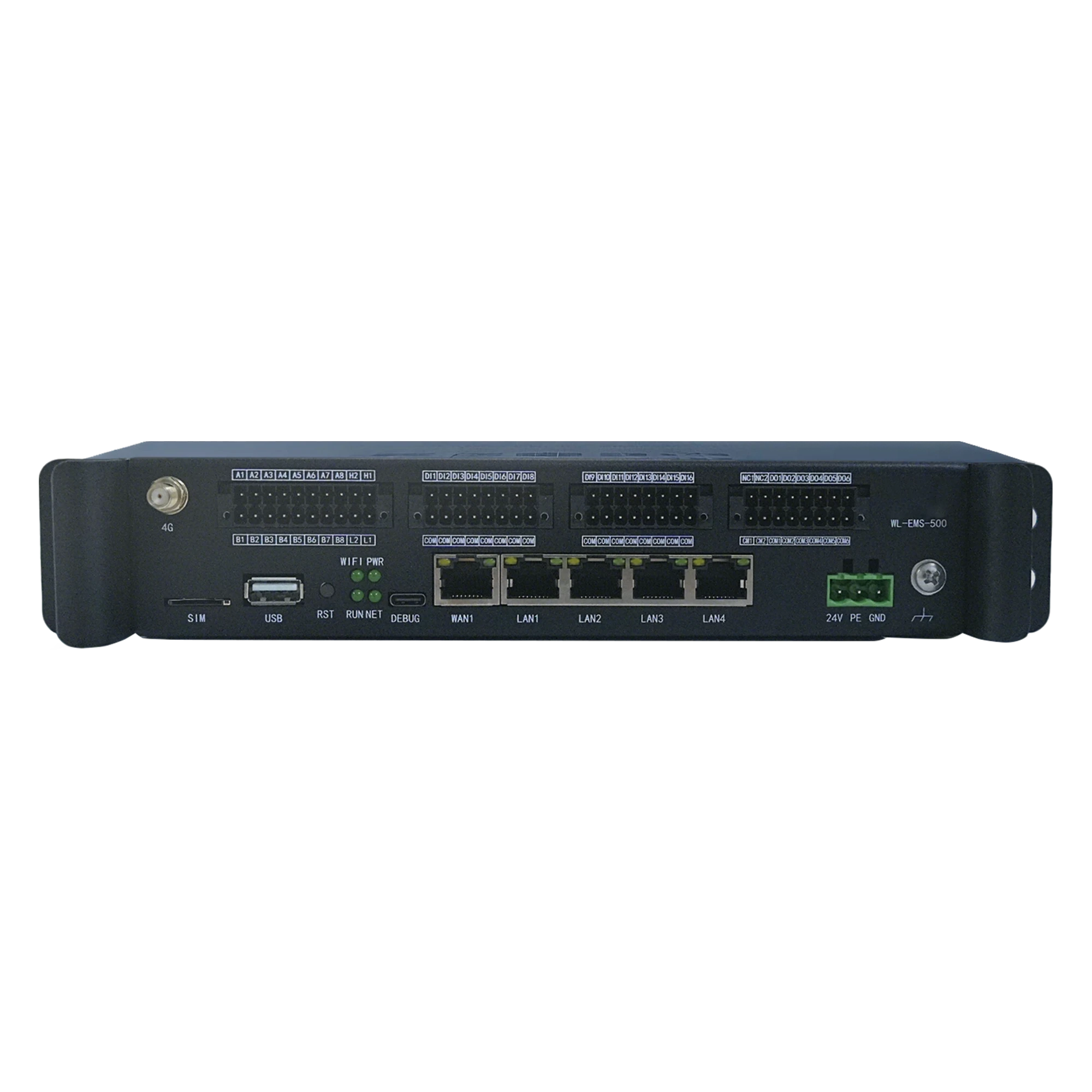
EMS & Gateway
Coordinate charging, solar, storage and grid power.
- Connects chargers, solar PV, battery storage and the grid.
- Allocates available power across multiple charging points.
- Helps prevent charging demand from exceeding site capacity.
- Coordinates energy use according to operational requirements.
- Provides centralised data for system monitoring and optimisation.
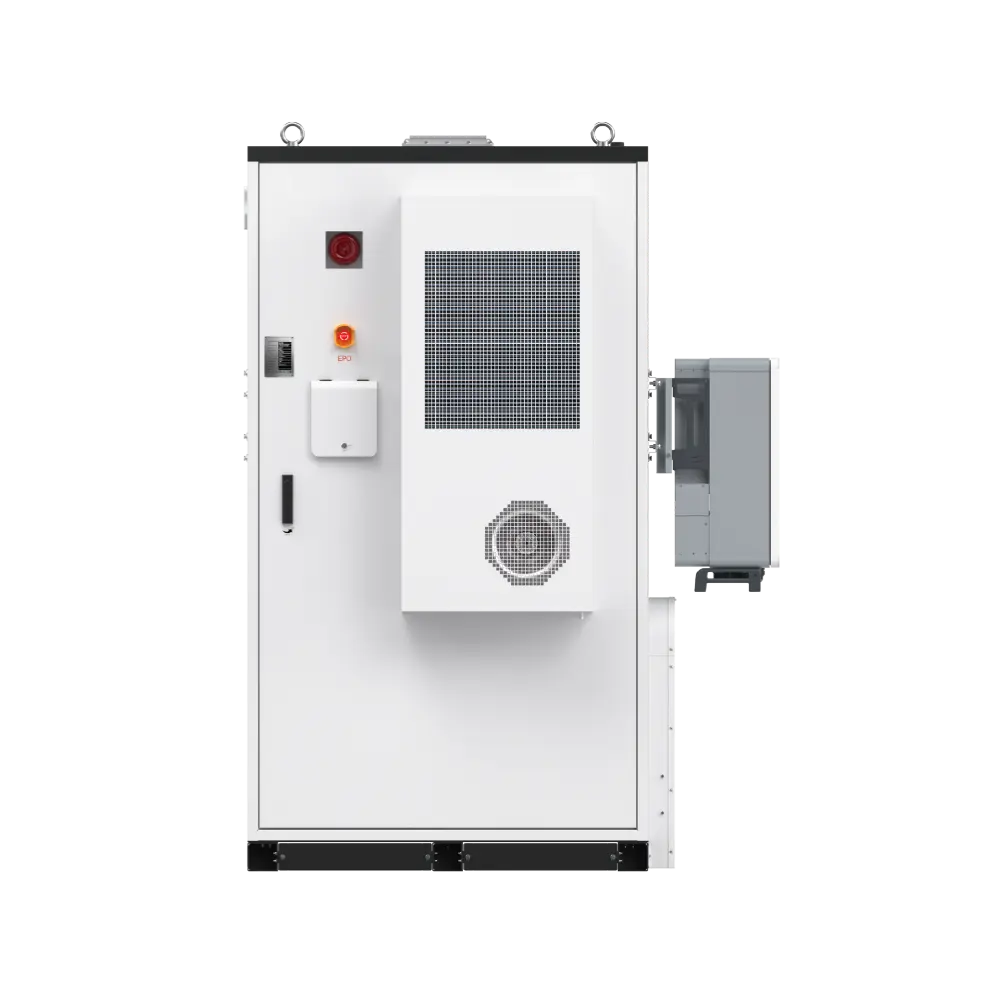
ESS C&I Energy Storage
More charging capacity with less pressure on the grid.
- Stores solar or off-peak electricity for later fleet charging.
- Supports peak shaving when multiple vehicles charge simultaneously.
- Helps reduce dependence on expensive grid-capacity upgrades.
- Improves the use of locally generated solar energy.
Can provide power support during grid interruptions, depending on system configuration.
One Partner for the Complete Fleet Energy System
Integrated from the Start
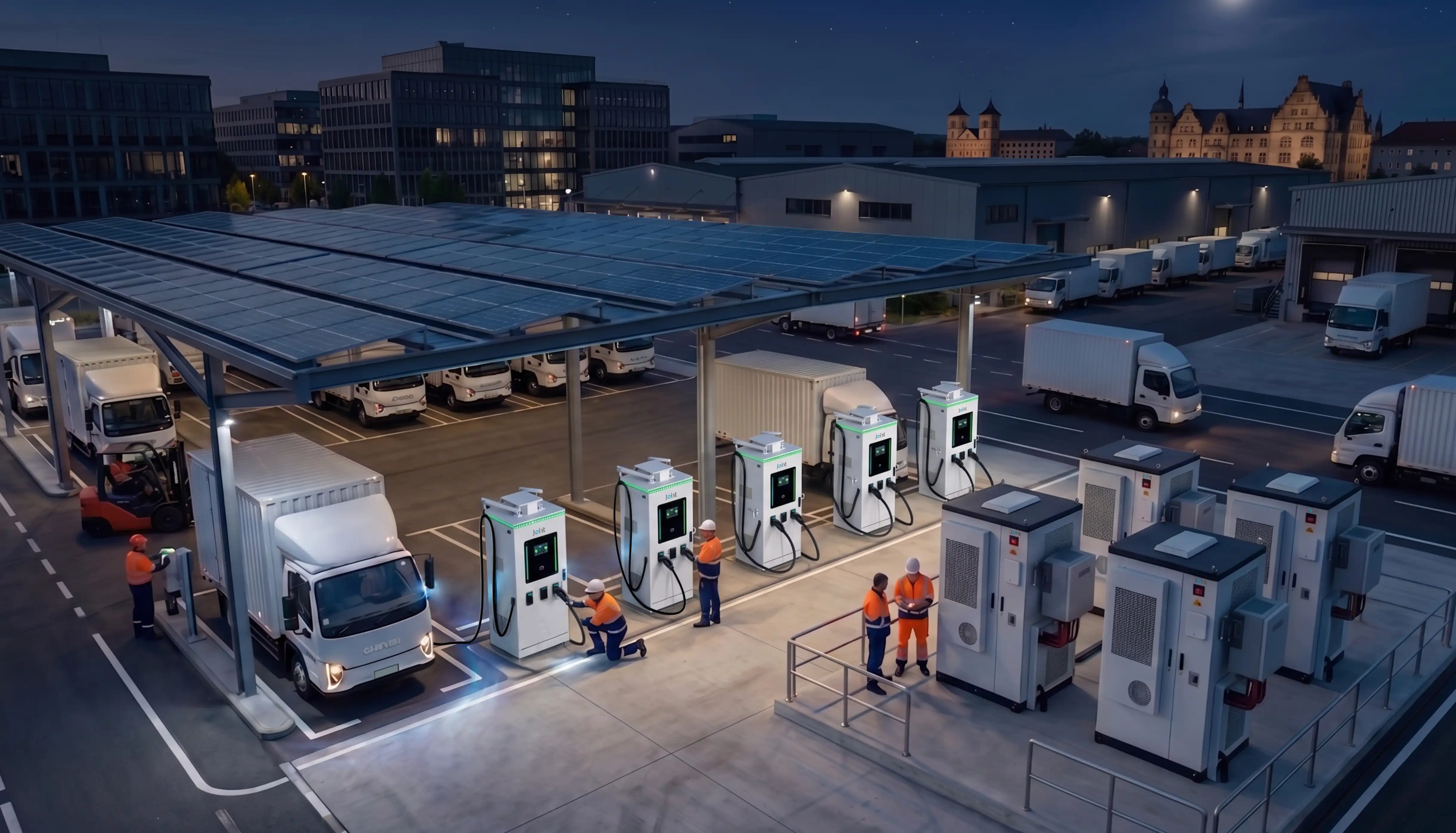
Vehicles, charging, solar, storage and energy management are planned as one coordinated system.
Designed Around Operations
System capacity and charging strategies are based on real routes, depot dwell time and vehicle departure schedules.
Scalable by Design
Start with the fleet and infrastructure you need today, then add vehicles, chargers and energy capacity as operations grow.
Supported Across the Lifecycle
From system planning and deployment to remote monitoring and technical support, our team helps keep the system operating.
Built for Real-World Fleet Electrification
Advanced Vehicle-Energy Integration
Joint development between automotive manufacturing and EV charging infrastructure enables seamless vehicle-to-energy connectivity, improving overall system efficiency and operational stability.
Smart Charging Ecosystem
Integrated charging, energy storage, and cloud-based EMS platforms support large-scale fleet operations and commercial energy management with higher reliability and lower cost.
Global Electrification Deployment
The partnership supports scalable deployment across logistics fleets, public transportation, and industrial energy systems in emerging global markets.
FAQ
What is a last-mile delivery fleet electrification solution?
A last-mile delivery fleet electrification solution combines electric commercial vehicles, charging infrastructure and energy management for short-distance urban delivery operations. It may also include solar PV and battery storage to reduce grid demand and improve energy utilisation.
How do I choose between AC and DC charging for a delivery fleet?
AC charging is generally suitable when vehicles remain at the depot for several hours or overnight. DC fast charging is better suited to shorter dwell times, rapid turnaround or multi-shift operations. Many fleets use a combination of both.
Can the solution work with limited grid capacity?
Yes. An EMS can distribute available power across chargers and adjust charging demand according to the site’s capacity. Battery storage and solar PV can provide additional flexibility, depending on the project design.
How is charging coordinated with delivery schedules?
Charging priorities can be configured around departure times, required energy and vehicle availability. This helps ensure that vehicles needed first receive sufficient energy before their routes begin.
Can solar power be used to charge delivery vehicles?
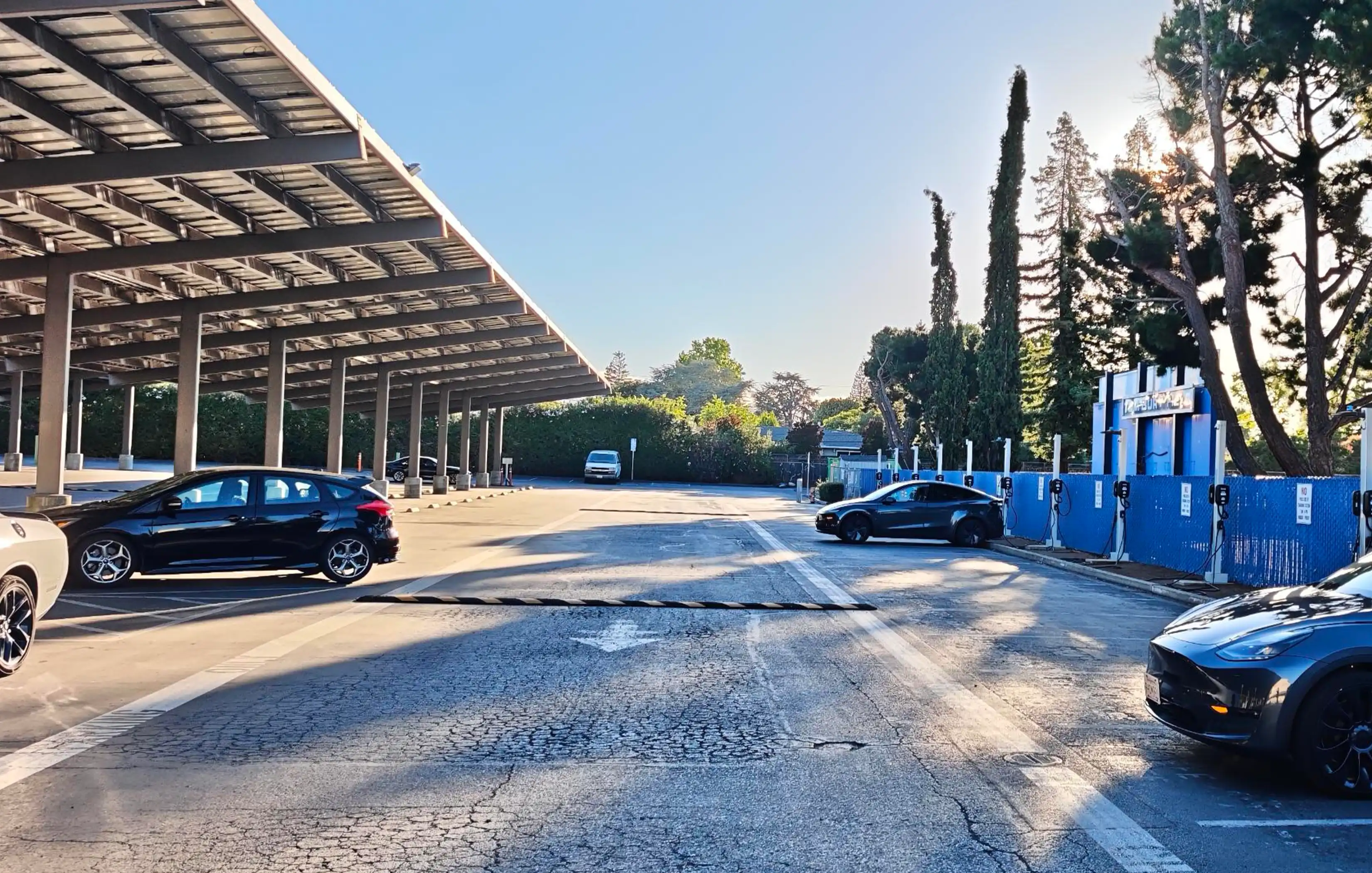
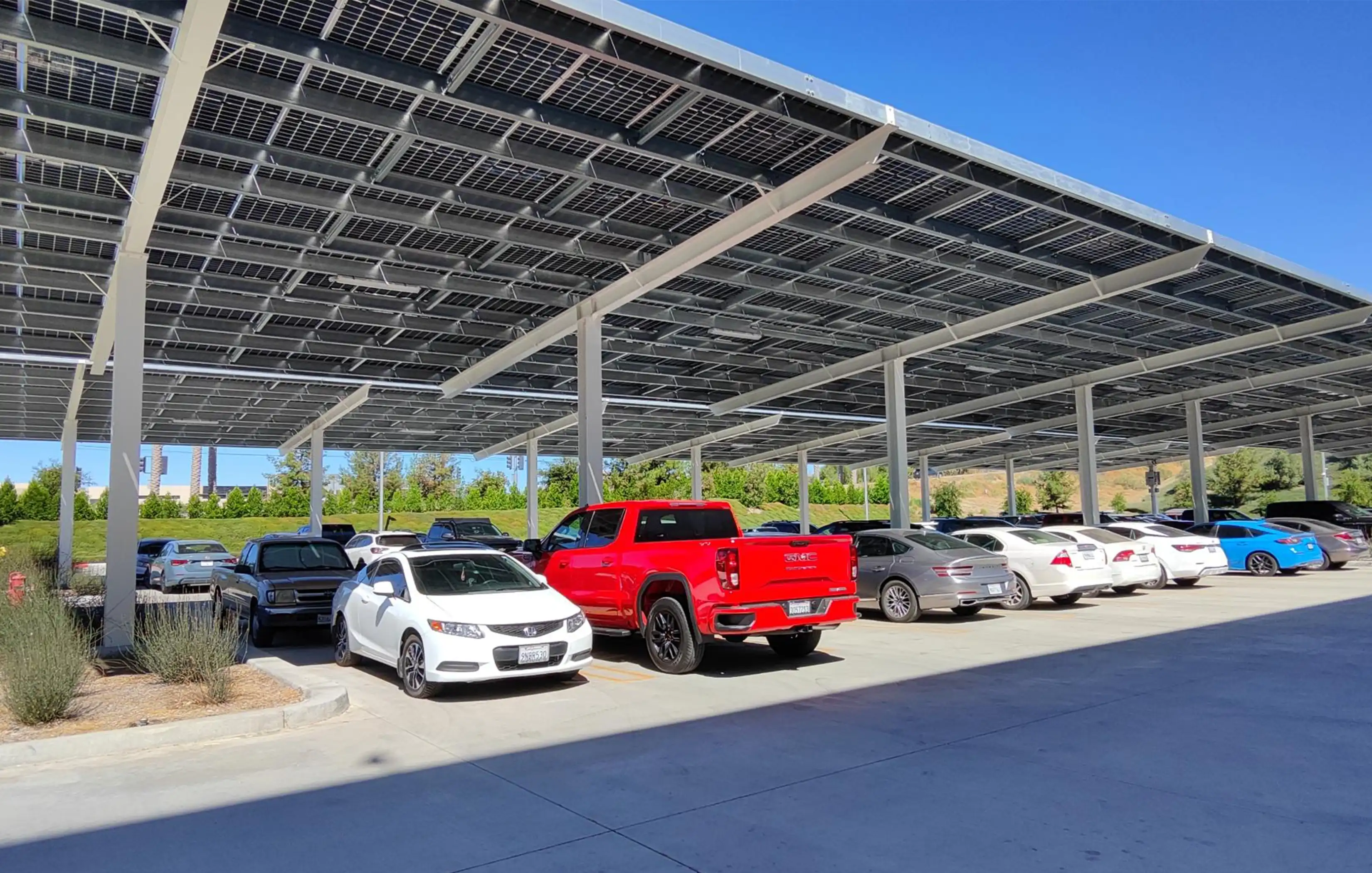
Yes. Solar PV installed on depot roofs or carports can supply electricity to the charging system. Battery storage can retain excess solar energy for use when vehicles return or when charging demand increases.
Can the system expand as the fleet grows?
Yes. Vehicles, chargers, storage capacity and energy management functions can be deployed in phases. The final configuration depends on available site power, parking layout and projected fleet growth.
What information is needed to plan the solution?
Include fleet size, vehicle type, daily mileage, route schedule, depot dwell time, available grid capacity, parking layout and plans for future expansion.
Does JointEnergyHub provide vehicles and charging infrastructure together?
Joint Energy Hub provides an integrated solution that can include electric commercial vehicles, EV chargers, solar PV, battery storage, EMS and AI-powered operations, configured according to project requirements.
Ready to Electrify Your Delivery Fleet?
Tell us about your vehicles, routes and depot. We’ll help you plan a charging and energy system around your daily operations.