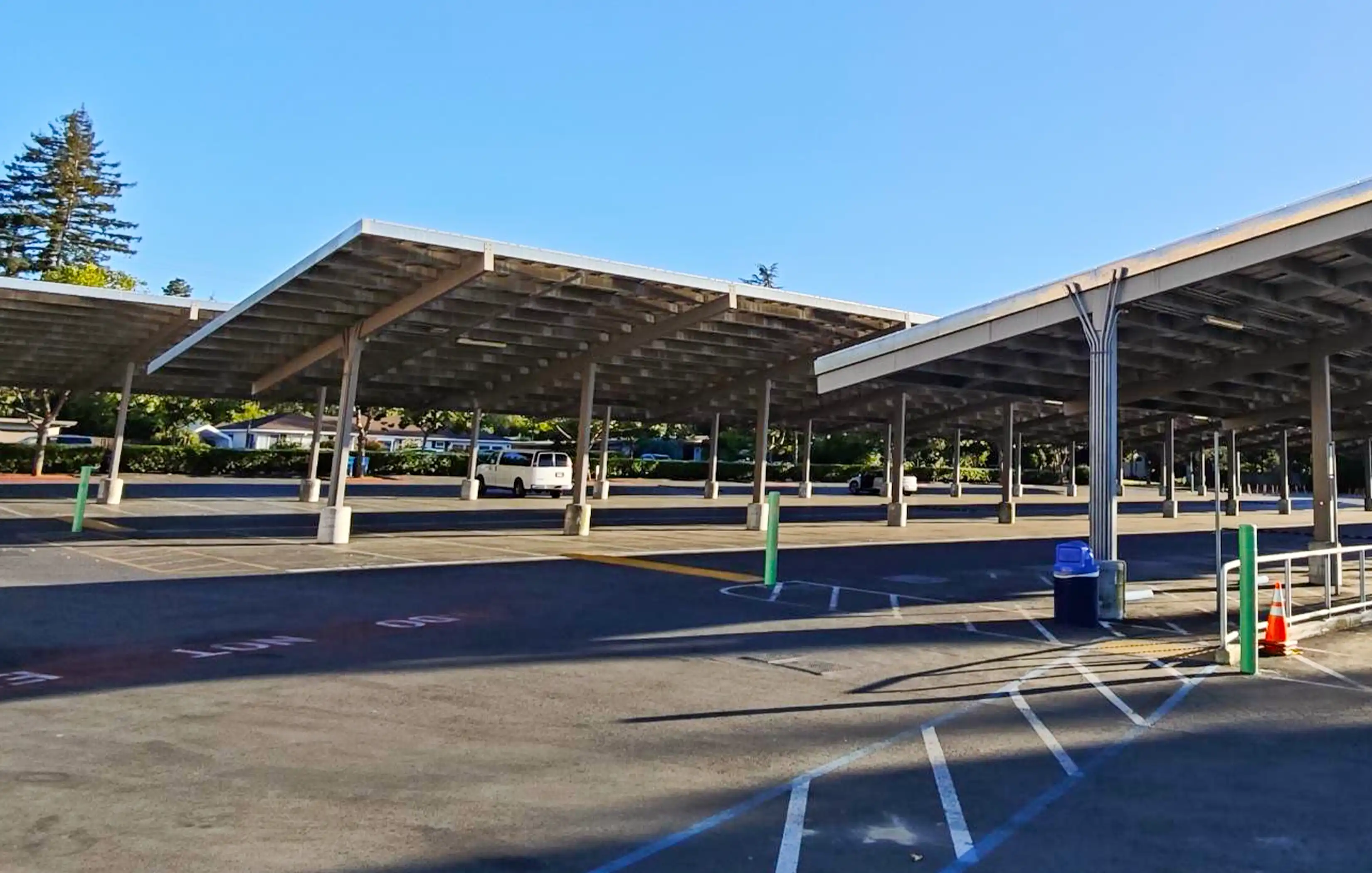

Electric Bus Charging Solutions for Public Transit
THE CHALLENGE
Public Transit Cannot Afford Charging Disruptions
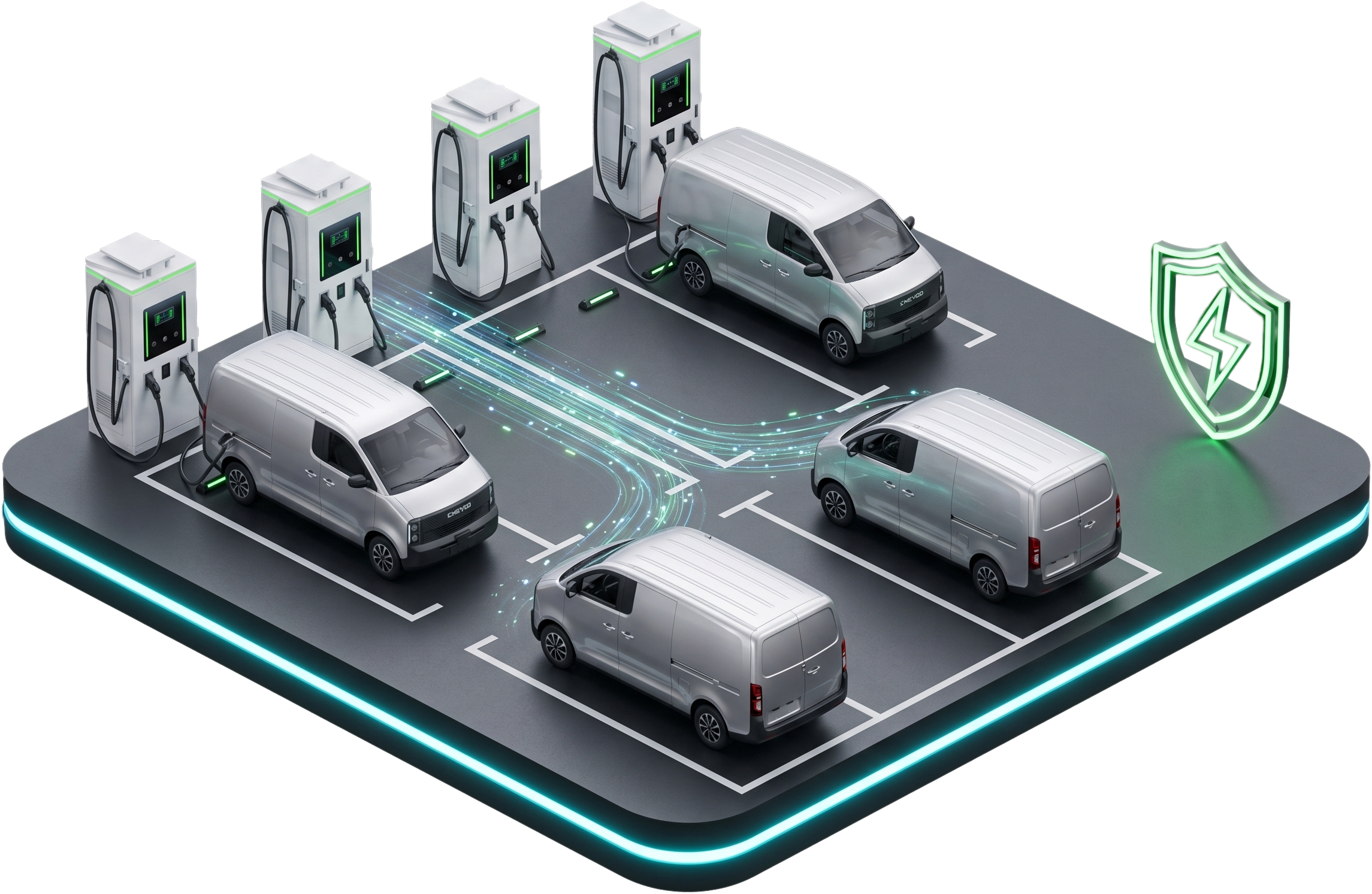
Fixed Operating Schedules
Buses must complete charging before departure. A delayed or undercharged vehicle can disrupt an entire route schedule.

High Simultaneous Demand
When multiple buses return to the depot together, unmanaged charging can create significant power peaks and exceed available site capacity.

Limited Charging Windows
Overnight charging may cover regular operations, but intensive routes and multi-shift services may also require rapid charging during the day.
Everything Your Fleet Needs
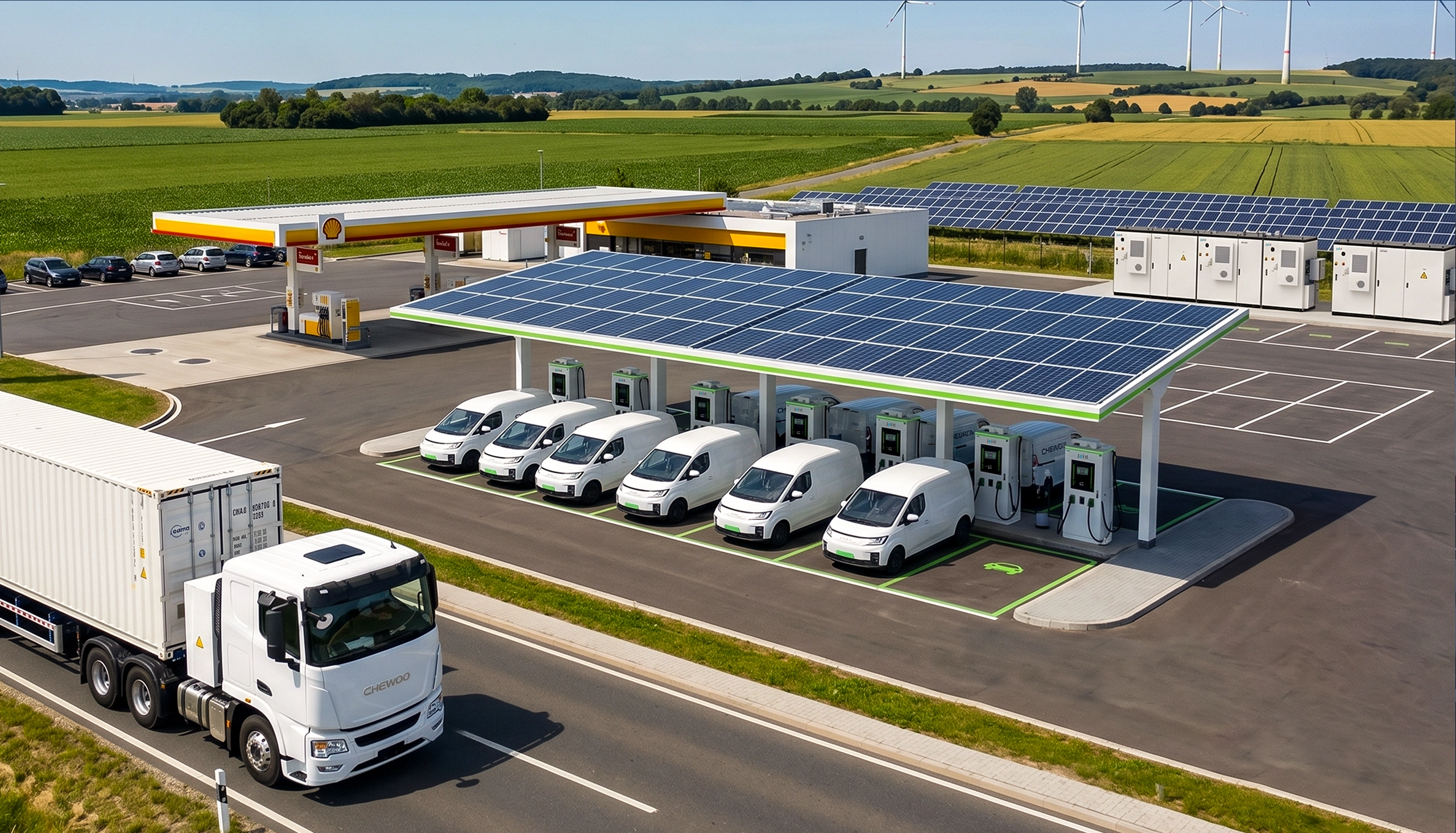
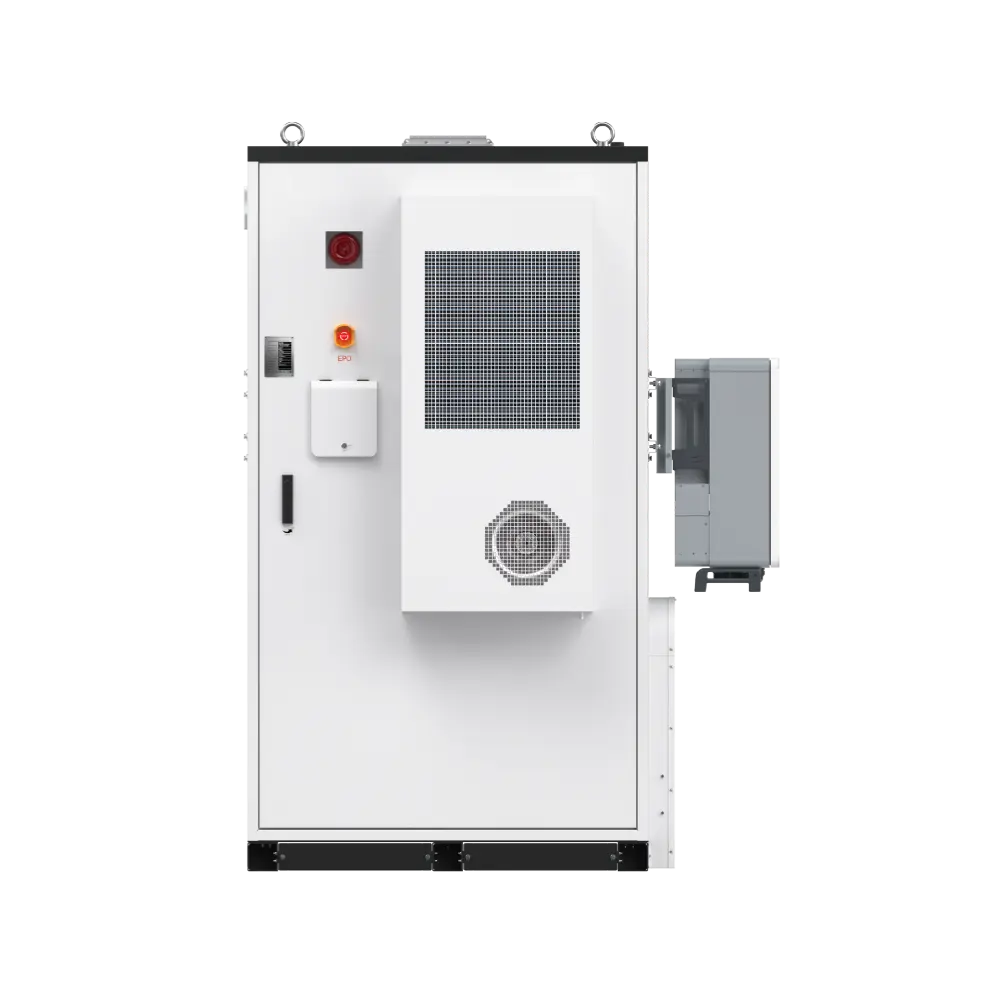
Commercial Energy Storage System
Commercial Vehicles
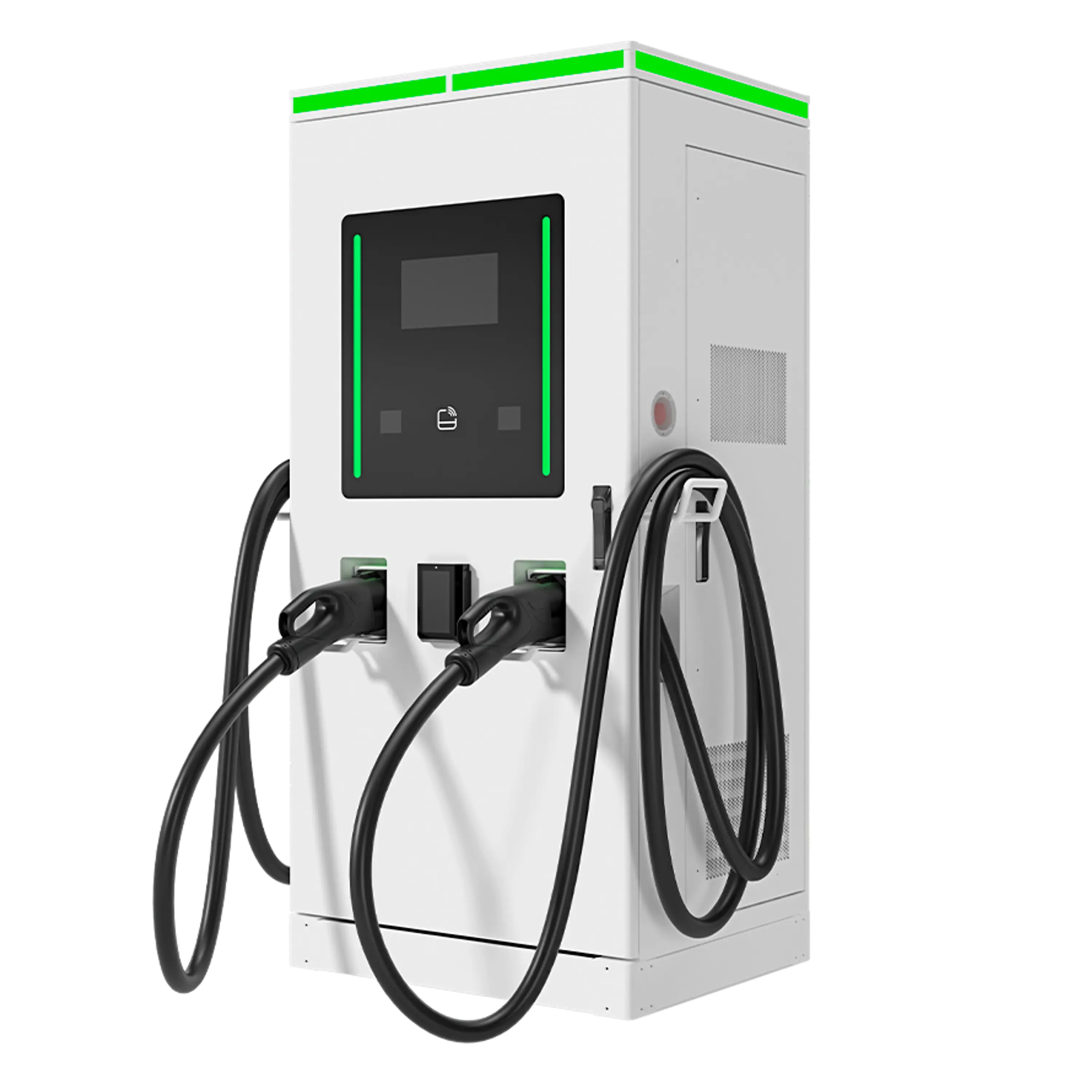
EVD002 DC Chagrer
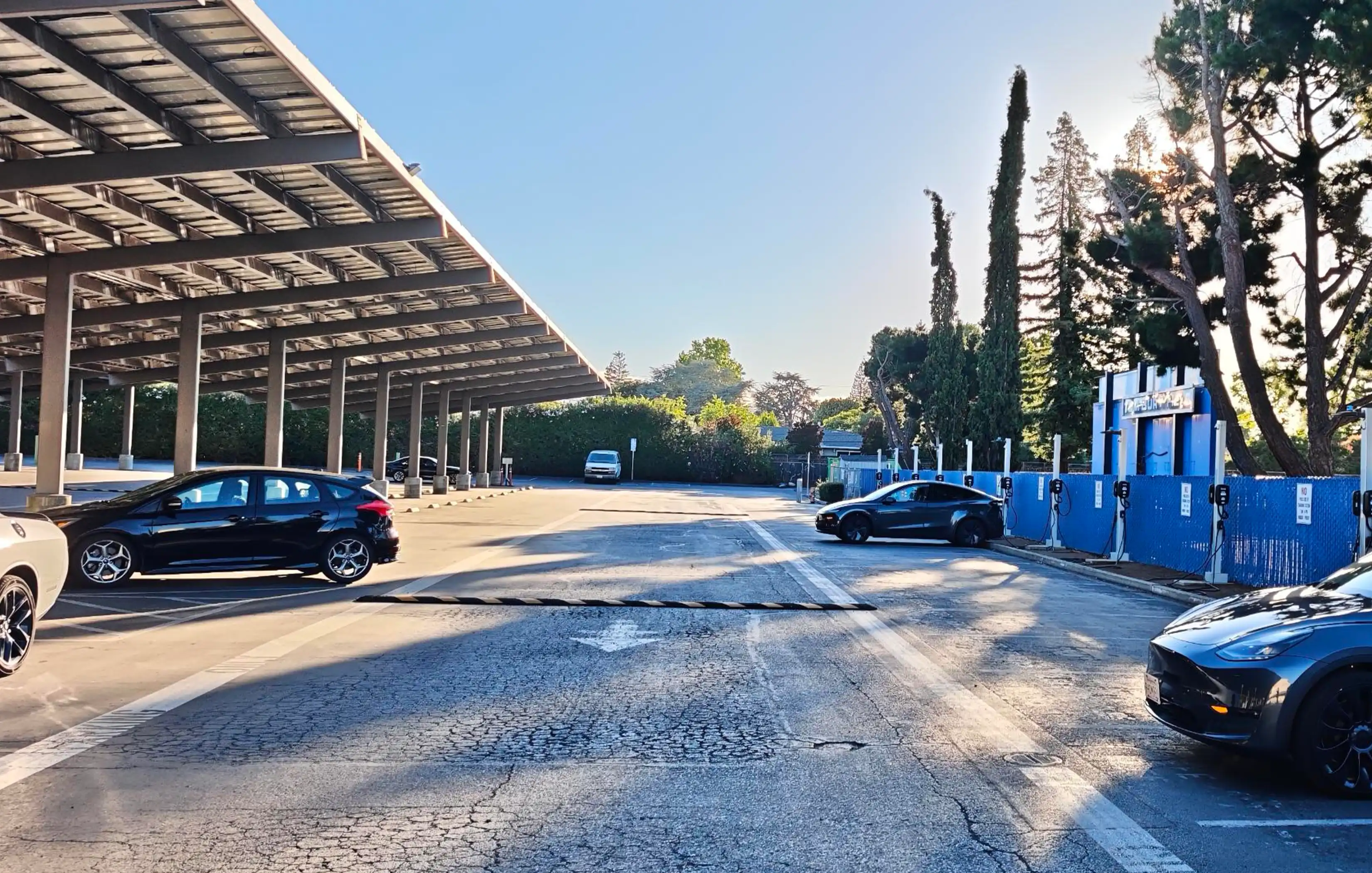
Solar PV
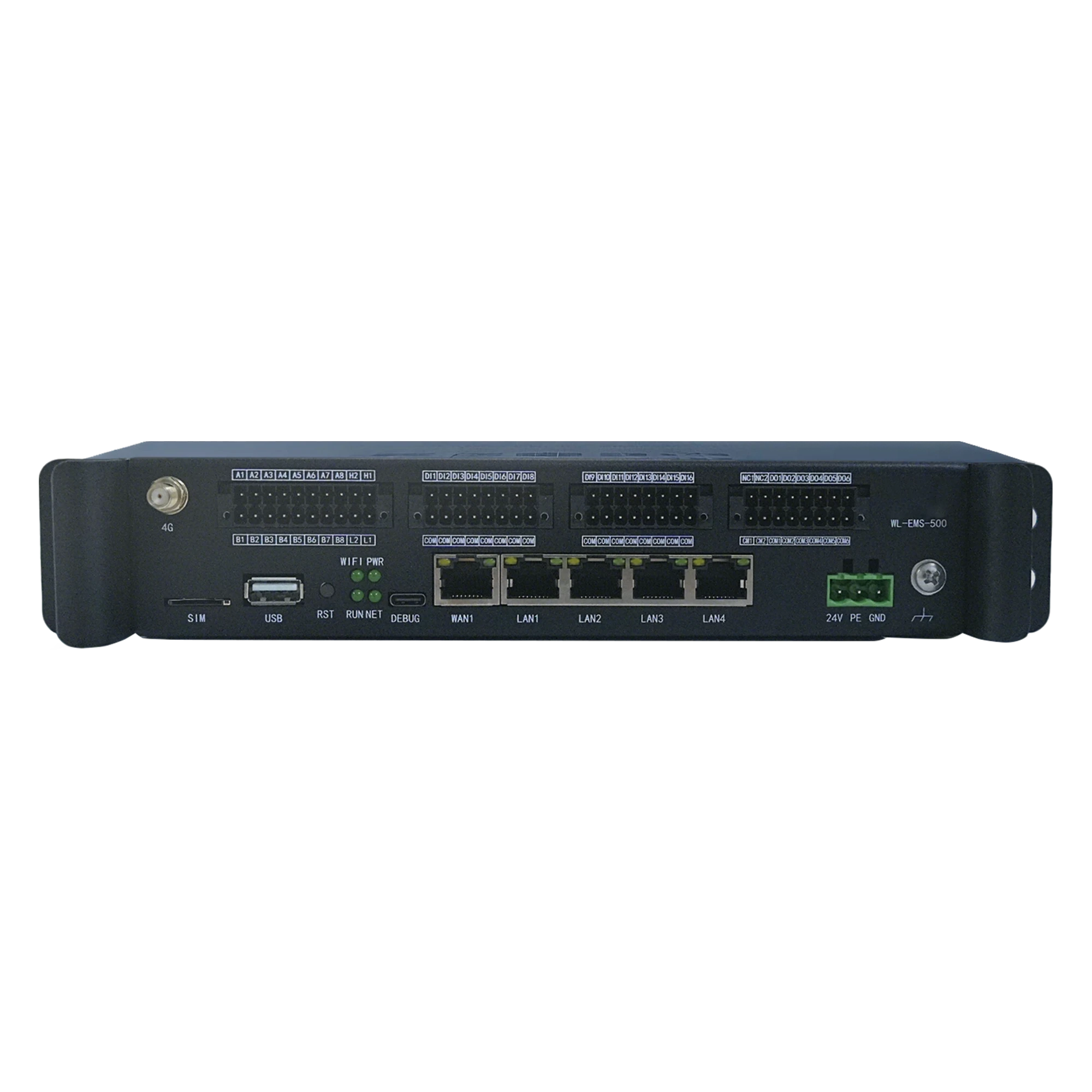
JL 1000 EMS & Gateway
model
Why It Fits
Where?
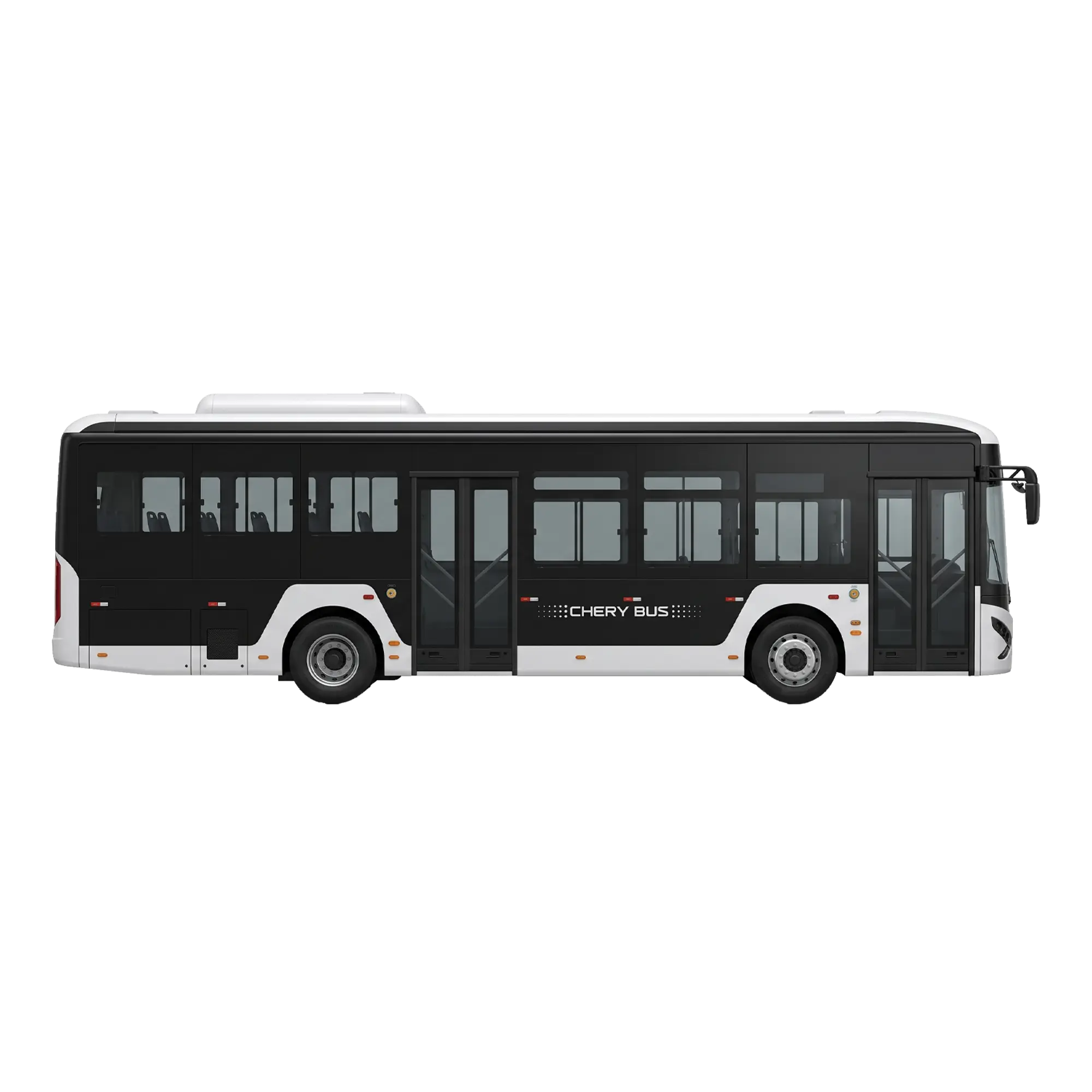
Electric City Bus
High-power charging for large electric vehicle fleets.
- Designed for frequent stops and fixed public transit routes.
- Electric operation reduces local tailpipe emissions in urban areas.
- Supports predictable route and charging planning.
- Suitable for scheduled depot charging between operating periods.
- Can be configured according to passenger capacity and route requirements.
EVD003 120kW
High-throughput charging that keeps your fleet schedule intact.
• 60–160kW flexible output, scalable per depot size
• 30kW/40kW modular blocks — expand as your fleet grows
•95% efficiency, noise <65dB — depot-friendly operation
• TÜV & EU certified; WiFi/4G/Ethernet remote management
• OTA firmware updates — no on-site technician required
The energy coordination centre for the entire bus depot.
- Connects chargers, battery storage, solar PV and the utility grid.
- Distributes available power across multiple charging points.
- Adjusts charging priorities around bus departure schedules.
- Helps keep total site demand within configured capacity limits.
- Provides centralised energy and operating data.
Solar PV System
Support intensive charging without relying entirely on the grid.
- Stores electricity for use during concentrated bus-charging periods.
- Helps reduce power peaks when multiple vehicles charge simultaneously.
- Improves the use of electricity generated by on-site solar PV.
- Provides greater flexibility where grid capacity is limited.
- Can support critical site loads during grid interruptions, depending on system configuration.
Why Joint Energy Hub
One Partner for the Complete Transit Energy System
Designed as One Connected Solution
Vehicles, chargers, solar, storage and energy management are planned together rather than deployed as disconnected products.
Timetable-Based Charging
Built Around Real Bus Operations
Charging strategies are designed around routes, dwell time, energy demand and scheduled departures.
Scalable Depot Infrastructure
Expand as the Fleet Grows
Add buses, charging terminals and energy capacity in phases while maintaining centralised control.
Lifecycle Support
Support Beyond Deployment
From system planning and commissioning to remote monitoring and technical coordination, JointEnergyHub supports the system across its operating lifecycle.
Built for Reliable Fleet Electrification
Advanced Vehicle-Energy Integration
Joint development between automotive manufacturing and EV charging infrastructure enables seamless vehicle-to-energy connectivity, improving overall system efficiency and operational stability.
Smart Charging Ecosystem
Integrated charging, energy storage, and cloud-based EMS platforms support large-scale fleet operations and commercial energy management with higher reliability and lower cost.
Global Electrification Deployment
The partnership supports scalable deployment across logistics fleets, public transportation, and industrial energy systems in emerging global markets.
FAQ
What does an electric bus charging solution include?
An electric bus charging solution can include electric buses, depot chargers, high-power DC charging, battery storage, solar PV, an energy management system and an operations platform. The final configuration depends on fleet size, routes, parking time and available site power.
How are electric buses normally charged?
Electric buses can be charged at the depot during longer parking periods or receive rapid top-up charging between routes. Many public transit fleets combine overnight depot charging with daytime rapid charging.
How much charging power does an electric bus depot need?
The required power depends on the number of buses, battery capacity, daily energy consumption, charging window and departure schedule. A site assessment and load analysis are required before determining the final system capacity.
Can multiple buses charge at the same time?
Yes. Multiple buses can charge simultaneously, but the available power must be distributed according to site capacity and operating priorities. An EMS can dynamically allocate power across connected charging points.
How does the system decide which bus should charge first?
Charging priority can be based on the next departure time, remaining battery level, required energy and planned route. Buses required earlier can be prioritised over vehicles with longer parking periods.
Can an electric bus depot operate with limited grid capacity?
site limits. Battery storage and solar PV can provide additional flexibility, but the final solution must be based on the site’s electrical capacity and operating requirements.
Can solar power be used for electric bus charging?
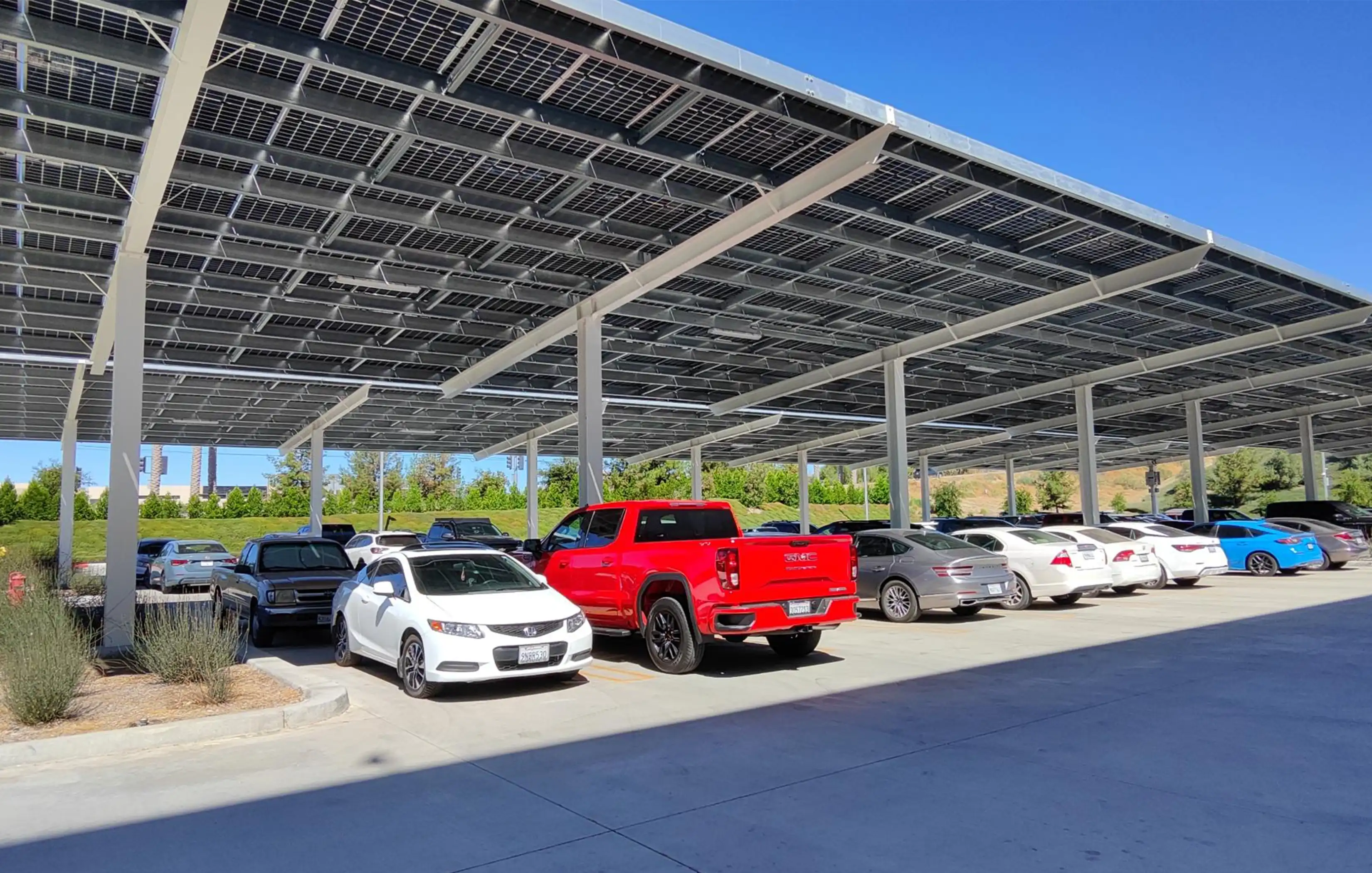
Yes. Solar PV installed on depot rooftops or carports can supply electricity to chargers, storage systems and other site loads. Battery storage can retain surplus solar electricity for use at a later time.
What is the difference between depot charging and opportunity charging?
Depot charging takes place while buses are parked for longer periods, typically overnight. Opportunity charging provides additional energy during shorter planned stops, route layovers or between operating shifts.
Can the charging system expand as more electric buses are added?
Yes. Charging terminals, system power and battery-storage capacity can be deployed in phases. Future fleet growth should be considered during the initial electrical and site-layout planning.
What information is needed to design an electric bus charging system?
Typical project inputs include fleet size, vehicle specifications, battery capacity, daily mileage, route timetable, depot dwell time, available grid power, parking layout and future expansion plans.
Ready to Electrify Your Transit Fleet?
Tell us about your buses, routes and depot. We’ll help you plan a charging and energy system around your daily timetable and available site capacity.